Catalan language

Definition and stakes

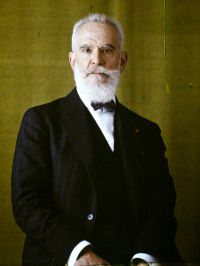
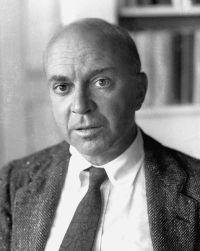
Portrait of John Dos Passos John Dos Passos,  Rosinante to the Road Again

“ This growth of industry during the last century, coupled with the reawakening of the whole Mediterranean, took form politically in the Catalan movement for secession from Spain, and in literature in the resurrection of Catalan thought and Catalan language.
Naturally the first generation was not interested in the manufactures that were the dynamo that generated the ferment of their lives. They had first to state the emotions of the mountains and the sea and of ancient heroic stories that had been bottled up in their race during centuries of inexpressiveness.
”
Source: Gutenberg

Sir Clements R. Markham,  The Story of Majorca and Minorca

“ The people are the descendants of men who fought with En Jayme, increased by a certain amount of immigration—Catalans who speak a dialect of the Catalan language among themselves, but who nearly all understand Spanish. Among the upper classes the names of Moncada or Togores, Sureda, Cotoner, Fortuñy, Zaforteza, Despuig, Torrellas, Truyolls, Villalonga, are as prominent now as they were six hundred years ago and have been ever since. ”
Source: Gutenberg

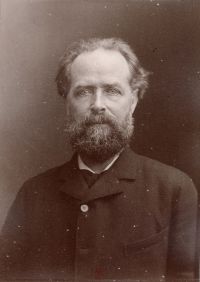
Portrait of Albert Frederick Calvert Albert Frederick Calvert,  Impressions of Spain

“ Its history is replete with records of its valour; its everyday life is illumined with a grave courtesy; the stranger within its gates is welcomed with a cordiality in which suspicion has no part. The Catalan is afraid of nobody on this earth; he has no use, as the Americans put it, for suspicion. He is a distinct race in costume, habits, and language; combining the grace and charm of the Spanish manner, with the mental vitality of the French, and the commercial enterprise and integrity of the English. Physically he is strong, sinewy, and active ”
Source: Gutenberg

Get perspective with Kwize: daily news enlightened by great literature