Catherine Parr

Definition and stakes

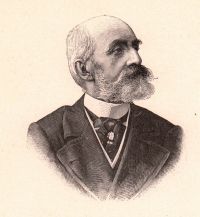
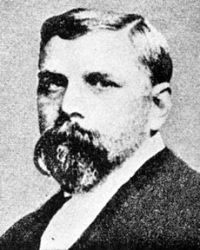
Portrait of John Cassell John Cassell,  Cassell's Illustrated History of England (1865)

“ Catherine's brother, Thomas Parr, Marquis of Northampton, was as unnaturally cruel to his sister's orphan as Somerset himself. Sudley was granted to him on Seymour's attainder, and he not only held it fast, but maintained a heartless indifference to the fate of his niece, whose champion he ought to have been, having owed his fortune in the world to her mother's influence. ”
Source: Wikisource

1911 Encyclopædia Britannica, Volume 20… (1911)

“ Henry, however, would not permit her arrest, and she became a widow for the third time on his death in January 1547. In the same year she married a former lover, Sir Thomas Seymour, now Lord Seymour of Sudeley. Soon after this event, on the 7th of September 1548, she died at Sudeley castle. Catherine was a pious and charitable woman and a friend of learning; she wrote The Lamentation or Complaint of a Sinner, which was published after her death. ”
Source: Wikisource

C. C. Stopes,  Shakespeare's environment (1914)

“ Accomplishments so varied are rarely found in one person. She married the Dauphin in 1558; his father died in 1559, and she became Queen, but her husband died in 1560. Fortune dealt hardly with her; her lot was cast in times too difficult for her and in circumstances discordant with her education.
Katharine Parr (1509-1548) was the elder daughter of Sir Thomas Parr, of Kendal, and Dame Maud, his wife, “who, following the example of Sir Thomas More and other great men, bestowed on her a learned education, as the most valuable addition he could make to her other charms.”
”
Source: Gutenberg

Get perspective with Kwize: daily news enlightened by great literature