China aster

Definition and stakes

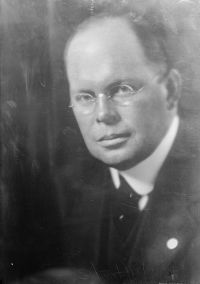
Portrait of Louise Jordan Miln Louise Jordan Miln,  Mr. Wu (1920)

“ Her plight is sore to-day. But China has held together longer than any other empire in history. We Chinese never forget, and we do not meekly forgive. Again and again we have seemed to accept innovations, have tried them, have found them unacceptable, and then we have discarded them once and forever. We are in peril now; but the end is not yet. Already the word passes over China, as a breath of summer over the head-heavy poppy fields, ‘Back to Confucius’! And I—I descended from that great sage—I, too, who love China as I did not love your mother—I, too, have betrayed China—and you! ”

Source: Gutenberg

Edwin John Dingle,  China's Revolution, 1911-1912: A Historical and Political Record of the Civil War

“ Have you ever noticed how soon a Chinese can spoil or totally destroy things in general? Whether it be the mechanic in the factory, the cook in the kitchen, the boy about the house, the gardener, the boatman, the tinker, tailor, or sailor, it is undeniable that the Chinese is a pastmaster in the art of spoiling and damaging and putting things destructively to their wrong uses. ”
Source: Gutenberg

Portrait of Mary Gaunt Mary Gaunt,  A Woman In China

“ One hundred and twenty years ago the Western nations were only a stage removed from the barbaric civilisation the Chinese had reached two or three thousand years before, but still they were moving onward, and they felt they must combine if they would trade with this rich land, and yet protect their subjects and their goods. And so they did combine, and there arose that curious state of affairs between the foreigners and the people of the land that has held for many years, that holds in no other land, and that has crystallised in the Legation Quarter of Peking. ”
Source: Gutenberg

Get perspective with Kwize: daily news enlightened by great literature