Christmas carol

Definition and stakes

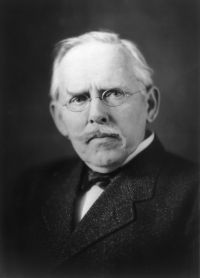
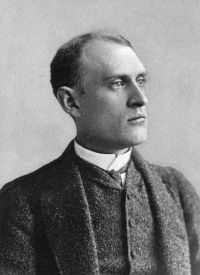
Portrait of William J. Long William J. Long,  Ways of Wood Folk

“ The Christmas carol, sung by a chorus of fresh children's voices, is perhaps the most perfect expression of the spirit of Christmastide. Especially is this true of the old English and German carols, which seem to grow only sweeter, more mellow, more perfectly expressive of the love and good-will that inspired them, as the years go by. Yet always at Christmas time there is with me the memory of one carol sweeter than all, which was sung to me alone by a little minstrel from the far north, with the wind in the pines humming a soft accompaniment. ”
Source: Gutenberg

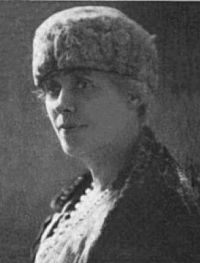
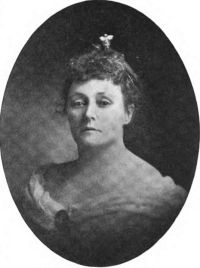
Portrait of Clara Wood Mingins Clara Wood Mingins,  A new note in the Christmas Carol (1913)

“ Then he had gone, at her request, to light the Christmas tree, and the countless candles throughout the house, had given loving greetings and messages from her and baby to all the household gathered in the big hall and had stopped to sing one Christmas Carol that she might hear. It was as his voice soared upward to her,
“Peace on earth, good will to man,
From Heaven’s all gracious King,” that she had gone, gone on the wings of light and song, leaving him dumb, alone in the dark.
”
Source: Gutenberg

T. F. Thiselton-Dyer,  British Popular Customs, Present and Past

“ At one time children at the village schools in Lancashire were required to bring each a mould candle before the parting or separation for the Christmas holidays.
Christmas Carols. —The Christmas carol (said to be derived from cantare to sing, and rola, an interjection of joy) is of very ancient date. Bishop Taylor observes that the ‘Gloria in Excelsis,’ the well-known hymn sung by the angels to the [457] shepherds at our Lord’s Nativity, was the earliest Christmas carol. In the early ages of the Church bishops were accustomed to sing these sacred canticles among their clergy.
”
Source: Gutenberg

Get perspective with Kwize: daily news enlightened by great literature