Clement of Alexandria

Definition and stakes

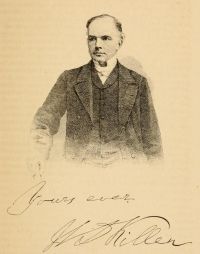
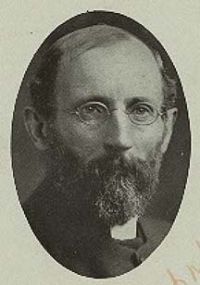
Portrait of Clement of Alexandria Clement of Alexandria,  Ante-Nicene Fathers Vol. II — Introductory Note (1885)

“ Alexander, bishop of Jerusalem, speaks of Clement, in turn, as his master: “for we acknowledge as fathers those blessed saints who are gone before us, and to whom we shall go after a little time the truly blest Pantænus, I mean, and the holy Clemens, my teacher, who was to me so greatly useful and helpful.” St. Cyril of Alexandria calls him “a man admirably learned and skilful, and one that searched to the depths all the learning of the Greeks, with an exactness rarely attained before.” ”
Source: Wikisource

Alban Butler,  The Lives of the Fathers, Martyrs…

“ Clement of Alexandria the Sicilian Bee. His esteem for virtue led him into an acquaintance with the Christians, and being charmed with the innocence and sanctity of their conversation he opened his eyes to the truth. He studied the holy scriptures under the disciples of the apostles, and his thirst after sacred learning brought him to Alexandria in Egypt, where the disciples of St. Mark had instituted a celebrated school of the Christian doctrine. ”
Source: Gutenberg

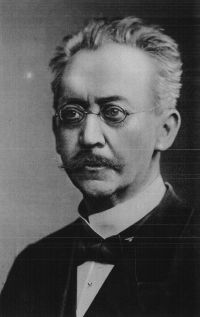
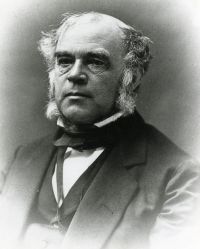
Portrait of E. M. Forster E. M. Forster,  Pharos and Pharillon

“ And now Clement, taking over the completed conception, raised upon it a storied fabric such as the Alexandrians loved, and ensured that the deity should be at the same time accessible and inaccessible, merciful and just, human and divine. The fabric would have bewildered the fishermen of Galilee, and it had in it a flaw which became evident in the fourth century and produced the Arian schism. But it impressed the passing age; Clement, working in and through Alexandria, did more than even St. Paul to recommend Christianity to the Gentiles. ”
Source: Gutenberg

Get perspective with Kwize: daily news enlightened by great literature