Cochabamba

Definition and stakes

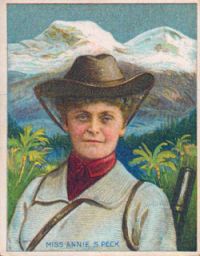
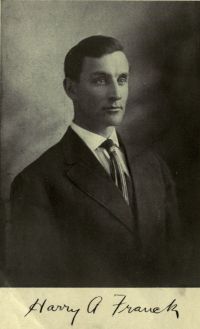
Portrait of Harry Alverson Franck Harry Alverson Franck,  Vagabonding down the Andes

“ It is the largest town between Cochabamba and Santa Cruz and capital of a province, with several thousand inhabitants. Set in a hollow of the treeless hills, it was dreary and colorless as a mining town, with breakneck cobbled streets, and a little tile-paved plaza surrounded by what Tommy called “drapers’ shops,” all with the selfsame display of bayeta and other crude-colored cloths. The vista of many a street was enlivened by swinging red signs, like Japanese or Chinese banners, above the doors where chicha was for sale. ”
Source: Gutenberg

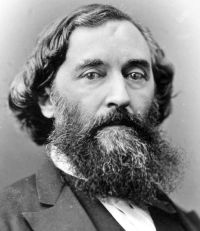
Edward Davis Mathews,  Up the Amazon and Madeira rivers… (1879)

“ The chief wealth of the department appears to be in agriculture, for Cochabamba may certainly claim to be the agricultural capital of Bolivia, La Paz, Potosí, and Oruro being the chief mineral centres, whilst the true capital of the republic, Sucre, is the political and educational centre. Cochabamba is the storehouse for the crops of wheat, maize, barley, and potatoes that are grown on the plains on which the city is built. ”
Source: Gutenberg

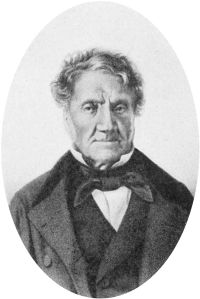
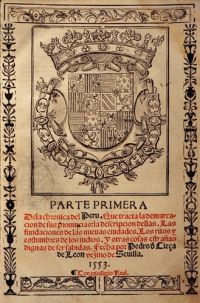
Portrait of Pedro de Cieza de León Pedro de Cieza de León,  The War of Chupas

“ Beyond Chupas, on another spur, is the farm of my old friend Don Manuel Tello, called Cochabamba. The view towards the cordillera is very grand. The sides of some of the gorges form perpendicular precipices, above which rise the snowy peaks. Beyond Cochabamba is the wheat farm of another of my old friends called cojo Arias; [132] and further on is the village of Chiara, whence the road leads by Sachapampa and Pomacocha, to Vilcas. This was the route taken by Almagro's army from Vilcas, after crossing the lofty ridge of Cangallo. Guamanga is now usually written Huamanga. ”
Source: Gutenberg

Get perspective with Kwize: daily news enlightened by great literature