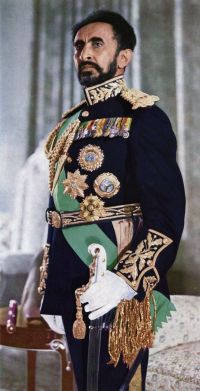
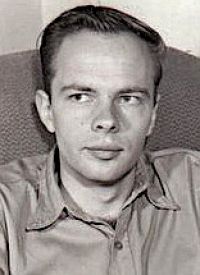
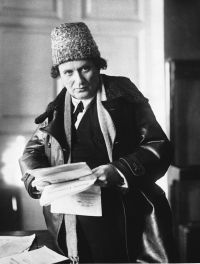
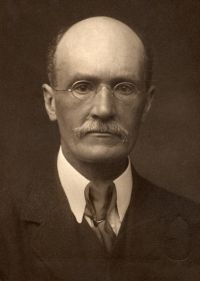
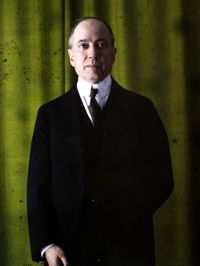
The Cold War, lasting from 1947 to 1991, was a geopolitical struggle between the United States and the Soviet Union, characterized by ideological differences, proxy conflicts, and a nuclear arms race, yet without direct confrontation between the superpowers. Leaders such as Haile Selassie underscored its effects on developing countries, while John F.
Kennedy viewed it as a worldwide challenge demanding united efforts to promote peace. Paul Linebarger compared it to past clashes between civilizations, highlighting its profound ethical and political significance. This period, influenced by technological and ideological competition, transformed international relations, exposing a nuanced interaction of power, belief systems, and human ambition beyond simple opposition.