Constantine I

Definition and stakes

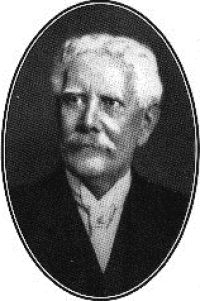
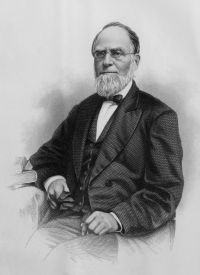
Portrait of Lew Wallace Lew Wallace,  The Prince of India; Or, Why Constantinople Fell…

“ The Greeks on their side bore up bravely. Old John Grant plied the assailants with his inextinguishable fire. Constantine, in seeming always cheerful, never shirking, visited the walls; at night, he seconded Justiniani in hastening needful repairs. Finally the steady drain upon the stores in magazine began to tell. Provisions became scarce, and the diminution of powder threatened to silence the culverins and arquebuses. Then the Emperor divided his time between the defences and Sancta Sophia—between duty as a military commander, and prayer as a Christian trustful in God. ”
Source: Gutenberg

Henry Stuart Jones,  1911 Encyclopædia Britannica, Volume 6… (1911)

“ Like Diocletian, Constantine believed that the time had come for society to be remodelled by the fiat of despotic authority, and it is significant that from henceforth we meet with the undisguised assertion that the will of the emperor, in whatever form expressed, is the sole fountain of law. Constantine, in fact, embodies the spirit of absolute authority which, both in church and state, was to prevail for many centuries. ”
Source: Wikisource

John B. Firth,  Constantine the Great: The reorganization of the Empire and the triumph of the Church (1904)

“ Rome, still overwhelmingly pagan in its sympathies, had doubtless heard with bitter anger how the Emperor, the head of the old national religion, had been taking part in a General Council of the Christian Church, had admitted bishops and confessors to the intimacy of his table, and had boldly declared himself the champion of Christianity. Constantine’s pointed refusal to countenance a time-honoured ceremony which, while itself of no extraordinary importance, might yet be taken as typical of the ancient order of things, would easily serve as pretext for a hostile demonstration. ”
Source: Gutenberg

Get perspective with Kwize: daily news enlightened by great literature