Council of Carthage

Definition and stakes

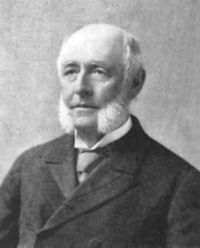
Portrait of George Park Fisher George Park Fisher,  Outlines of Universal History, Designed as a Text-book and for Private Reading

“ Its harbor was sufficient for the anchorage of the largest vessels, and it had a fertile territory around it. These circumstances, in conjunction with the energy of its inhabitants, placed it at the head of the Phoenician colonies. In Carthage, there was no middle class. There were the rich landholders and merchants, and the common people. The government was practically an oligarchy. There were two kings or judges (Shofetes) , with little power, and a council or senate; possibly a second council also. But the senate and magistrates were subordinate to an aristocratic body, the hundred judges. ”
Source: Gutenberg

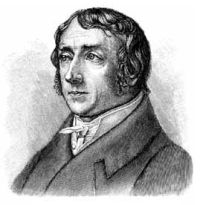
Portrait of George Grote George Grote,  History of Greece, Volume 10 (of 12…

“ These little councils are both frequently mentioned in the political proceedings of Carthage; and perhaps the Thirty may coincide with what Polybius calls the Gerusia, or Council of Ancients,—the Three Hundred, with that which he calls the Senate. [877] Aristotle assimilates the two kings (suffetes) of Carthage to the two kings of Sparta—and the Gerusia of Carthage also to that of Sparta; [878] which latter consisted of thirty members, including the kings who sat in it. But Aristotle does not allude to any assembly at Carthage analogous to what Polybius calls the Senate. ”
Source: Gutenberg

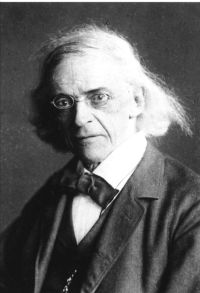
Portrait of Theodor Mommsen Theodor Mommsen,  The History of Rome, Book III

“ Magistrates
Aristotle, who died about fifty years before the commencement of the first Punic war, describes the constitution of Carthage as having changed from a monarchy to an aristocracy, or to a democracy inclining towards oligarchy, for he designates it by both names. The conduct of affairs was immediately vested in the hands of the Council of Ancients, which, like the Spartan gerusia, consisted of the two kings nominated annually by the citizens, and of twenty-eight gerusiasts, who were also, as it appears, chosen annually by the citizens.
”
Source: Gutenberg

Get perspective with Kwize: daily news enlightened by great literature