Council of Pisa

Definition and stakes

The Great Events by Famous Historians…

“ The so-called Council of Pisa consisted of the four rebellious cardinals, twenty Gallican prelates, several abbots and other dignitaries, the envoys of the King of France, deputies from some of the French universities, and a considerable number of doctors of the Faculty of Paris. This assembly justified its position on the ground that there are extraordinary cases in which a council may be called without the intervention of the pope ”
Source: Gutenberg

1911 Encyclopædia Britannica, Volume 21… (1911)

“ In order to complete their task the cardinals present at Pisa, authorized by delegation of the council, shut themselves up in conclave, and elected one of their number, Peter Philarges, cardinal of Milan, as the new pope, who assumed the name of Alexander V. They had hoped to save the Church, but unfortunately the result of their efforts, generous as they were, was that the schism increased in bitterness, and that instead of the unity for which the Church craved, three popes continued to flourish. Both the deposed pontiffs protested against the legality of the council of Pisa ”
Source: Wikisource

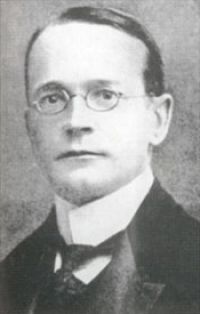
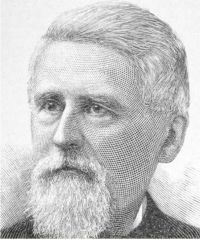
Portrait of Henry Charles Lea Henry Charles Lea,  The Cambridge Modern History, Volume 1… (1902)

“ At length, in 1511, the schismatic Council of Pisa, held by the disaffected Cardinals under the auspices of Louis XII, forced the hand of Julius II, and to checkmate it he issued a summons for a General Council to assemble in Rome, April 19, 1512, to resist the schism, to reform the morals of laity and clergy, to bring about peace between Christian princes and to prosecute the war with the Turk. Not much was to be hoped of a Council held in Rome under papal presidency; but Europe took the project seriously. ”
Source: Wikisource

Get perspective with Kwize: daily news enlightened by great literature