County Mayo

Definition and stakes

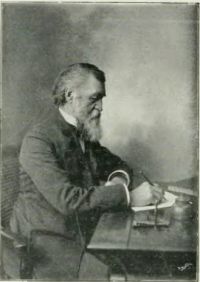
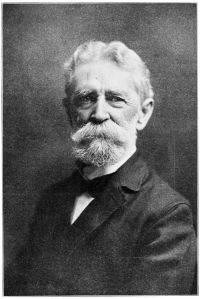
Portrait of Anthony Trollope Anthony Trollope,  The O'Conors of Castle Conor, County Mayo

“ Hunting gentlemen in those days were very common in county Mayo, and one horse was no great evidence of a man’s standing in the world. Men there as I learnt afterwards, are sought for themselves quite as much as they are elsewhere; and though my groom’s top-boots were neat, and my horse a very tidy animal, my entry into Ballyglass created no sensation whatever. ”
Source: Gutenberg

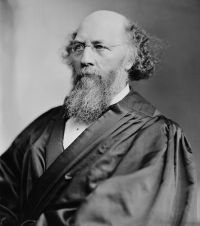
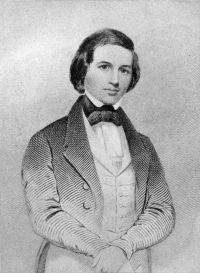
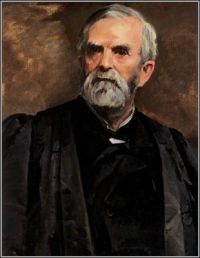
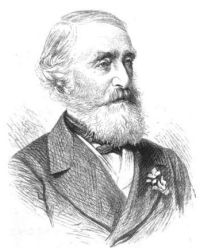
Portrait of George Poulett Scrope George Poulett Scrope,  Letters to Lord John Russell on the Further Measures for the Social Amelioration of Ireland (1847)

“ Those who deny that Ireland can maintain her people, usually adduce as their strongest proof the statistics of the county of Mayo. [1]
But what are these statistics? The population of Mayo in 1841 was under 400,000. The acreage of cultivated land is, in round numbers, 500,000, or four persons to five acres, which is at the rate of about six acres of cultivated land to each family. The population being almost entirely agricultural, this, no doubt, appears tolerably close packing. But what is the entire area of the county? No less than 1,300,000 acres; 800,000 acres being still uncultivated
”
Source: Wikisource

James Wood,  The Nuttall Encyclopædia — M

“ Mayo (245) , maritime county in Counaught, west of Ireland, between Sligo and Galway; has many indentations, the largest Broadhaven, Blacksod, and Clew Bays, and islands Achil and Clare, with a remarkable peninsula The Mullet; mountainous in the W., the E. is more level, and has Lough Conn and the Moy River; much of the county is barren and bog, but crops of cereals and potatoes are raised; cattle are reared on pasture lands; there are valuable slate quarries and manganese mines; Castlebar (4) , in the centre, is the county town; Westport (4) , on Clew Bay, has some shipping. ”
Source: Wikisource

Get perspective with Kwize: daily news enlightened by great literature