Dago

Definition and stakes

Warren F. Robinson,  The G-man's son at Porpoise Island (1937)

“ Somewhat accustomed now to the glare of the light, Stan and John could make out men back of the searchlight and most visible was big Dago. As the boat swung over, two steel-pointed hunting arrows zipped through the air, carefully regulated by two boys fighting for their lives, so that, allowing for the rolling boats, and the wind, they would find a mark! Dago gave one terrified squawk of amazed agony and leaped backwards right onto the helmsman! With a sputter and then a cascading leap of spray off the bows, the speedboat darted past the stern of the Water Witch! ”
Source: Gutenberg

Warren F. Robinson,  The G-man's son at Porpoise Island (1937)

“ Dago swore.
“Gallagher ain’t——”
“Ain’t what, Dago?”
“Youse guys ull tell Nevada if I tells ya what I thinks, so I’m keeping mum.”
“Trouble with you, Dago, is, you ain’t a good loser!” chuckled the first man. “He licked you with the rods, licked you with his fists, and his brain’s just ’bout eight times your size brain, stupid!”
[157] “What’s the use of hanging round here all night, Dago,” some one else wanted to know. “We can’t see the other kid in the dark. We ain’t cats, ya know!”
“Well, if them kids is here, they got-a boat, ain’t they?
”
Source: Gutenberg

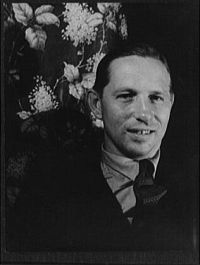
Portrait of Perceval Gibbon Perceval Gibbon,  Those Who Smiled, and Eleven Other Stories

“ It was the Dago, with his shrug and his feeble, complaisant smile, who scraped the boards of the pigsty and hoisted coal for the cook, and swept out the fo'c'sle while the other men lay and smoked.
"What made ye ship, anyway?" men would ask him angrily, when some instance of his incompetence had added to the work of the others. To this, if they would hear him, he had always an answer. He was a Portuguese, it seemed, of some little town on the coast of East Africa, where a land-locked bay drowsed below the windows of the houses under the day-long sun.
”
Source: Gutenberg

Get perspective with Kwize: daily news enlightened by great literature