Doña Luisa

Definition and stakes

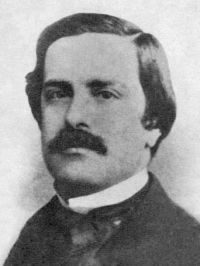
Portrait of Vicente Blasco Ibáñez Vicente Blasco Ibáñez,  The Four Horsemen of the Apocalypse

“ Dona Luisa imagined that in the avenue Victor Hugo, she could hear the mother’s tears falling in her home in Berlin. “You will understand, Luisa, my despair. . . . We were all so happy! May God punish those who have brought such sorrow on the world! The Emperor is innocent. His adversaries are to blame for it all . . .”
Don Marcelo was silent about the letter in his wife’s presence. He pitied Elena for her losses, so he overlooked her political connections. He was touched, too, at Dona Luisa’s distress about Otto. She had been his godmother and Desnoyers his godfather.
”
Source: Gutenberg

Portrait of Vicente Blasco Ibáñez Vicente Blasco Ibáñez,  The Four Horsemen of the Apocalypse… (1919)

“ Doña Luisa was spending a part of each day in the churches; trying to quiet her uneasiness with prayer. These petitions were no longer vague and generous for the fate of millions of unknown men, for the victory of an entire people. With maternal self-centredness they were focussed on one single person—her son, who was a soldier like the others, and perhaps at this very moment was exposed to the greatest danger. ”
Source: Wikisource

Portrait of Vicente Blasco Ibáñez Vicente Blasco Ibáñez,  The Four Horsemen of the Apocalypse

“ It would be better still if she could suddenly assume the form of her husband, von Hartrott. What an interesting interview the two brothers-in-law would have! . . .
The war was awakening religious sentiment in the men and increasing the devotion of the women. The churches were filled. Dona Luisa was no longer confining herself to those of her neighborhood. With the courage induced by extraordinary events, she was traversing Paris afoot and going from the Madeleine to Notre Dame, or to the Sacre Coeur on the heights of Montmartre. Religious festivals were now thronged like popular assemblies.
”
Source: Gutenberg

Get perspective with Kwize: daily news enlightened by great literature