Duncan I of Scotland

Definition and stakes

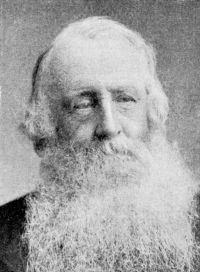
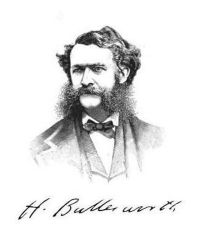
Portrait of Hezekiah Butterworth Hezekiah Butterworth Zigzag Journeys in Northern Lands…

More than eight hundred years ago, when the Roman wall divided England from Scotland, when the Scots and Picts had become one people, and when the countries of Northern Europe were disquieted by the ships of the Danes, there was a king of the Scots, named Duncan. He was a very old man, and long, long after he was dead, certain writers discovered that he was a very good man. He had two sons, named Malcolm and Donaldbain.
Now, when Duncan was enfeebled by years, a great fleet of Danes, under the command of Suene, King of Denmark and Norway, landed an army on the Scottish coast.
Source: Gutenberg

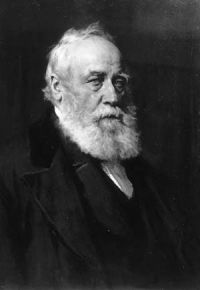
Portrait of Edward A. Freeman Edward A. Freeman The Reign of William Rufus and the Accession of Henry the First… (1882)

He wins it by the help of Norman and English volunteers. 1094. But Duncan was allowed to get together a body of volunteers, English and French—​doubtless of any nation that he could find—​at whose head he marched into Scotland. He overthrew his uncle Donald, and took possession of 35 the throne by the help of his new allies. [72] Details are lacking; the Scots must have been overthrown for a moment by some sudden attack. Second revolution; the foreigners driven out. What follows is instructive. The reign of Duncan, as a king surrounded by a Norman and English following, was but for a moment.
Source: Gutenberg

G. R. Gleig The subaltern (1872)

The authority of parents over their children, even after the latter have attained to manhood, is in Scotland very great; so Duncan would not dispute his father's will, and, finding all entreaty to alter it useless, he determined to sacrifice inclination to duty, and to meet his pretty Mary no more.
Source: Gutenberg

Get perspective with Kwize: daily news enlightened by great literature