Dún Laoghaire

Definition and stakes

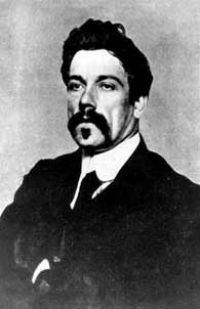
Thomas O'Neill Russell,  Beauties and Antiquities of Ireland

“ They are all interesting. They may be incredible, grotesque, or funny, but they are never common-place: it is this uniqueness that is the great charm of ancient Irish literature. What could be more unique than this account of the burial of Laoghaire, the chief king who was cotemporary with St Patrick, but of whom the Saint never succeeded in making even a half decent Christian. ”
Source: Gutenberg

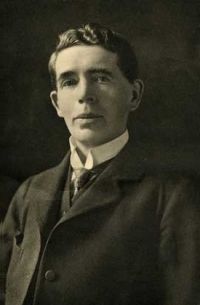
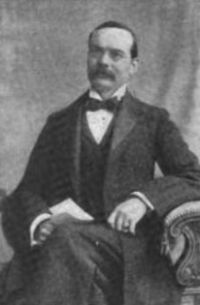
Portrait of Burton Egbert Stevenson Burton Egbert Stevenson,  The Charm of Ireland

“ It was from Dun Dealgan that Dundalk took its name, and Dundalk was for centuries the key to the road to Ulster and the northern limit of the English pale, which had Dublin for its centre. Merely to enumerate the battles which have been fought here would fill a page; but the train rumbles on, past a little church which uses the fragment of a round tower for a belfry, past the modern castle of the Bellinghams, built from the proceeds of a famous brewery, past a wayside Calvary, and so at last into Drogheda. And when I arrived there, I had completed the circuit of Ireland. ”
Source: Gutenberg

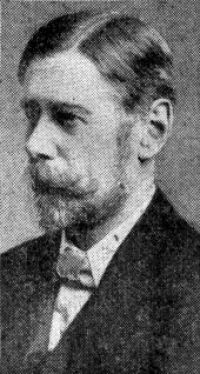
W. G. Wood-Martin,  The Lake Dwellings of Ireland

“ There is no lake in Ireland now known by that name; but to the south of Coleraine there is a small island in the river Bann called “the Loughan,” which bears all the appearance of having been artificially constructed. [177] In 1150 an Irish chief was killed “on the island of Loch-Laighaire.” This crannog lay in the country of the “Sliocht O’Neills,” and, as appears from subsequent references, was situated to the south of Lifford, in the barony of Clogher, county Tyrone, and was the residence of that branch of the O’Neills. It is written Loch-Laoghaire and Loch-Laighaire, i. e. ”
Source: Gutenberg

Get perspective with Kwize: daily news enlightened by great literature