“ The fashionable dresses, the coiffures, with which Macha delighted to adorn me on our holidays, only excited his raillery, which chagrined my good Macha not a little, and at first disconcerted me. Macha, who had settled in her own mind that I was pleasing to Sergius Mikaïlovitch, could not at all comprehend why he did not prefer that a woman whom he admired should appear at her best. ”
Macha
Definition and stakes
Macha, a multifaceted literary motif, appears as both a mythological figure and a symbolic character across diverse cultural contexts. In Leo Tolstoy’s Katia, she embodies emotional complexity, serving as a lens through which relationships and personal transformation are examined, her devotion and inner conflict reflecting human vulnerability.
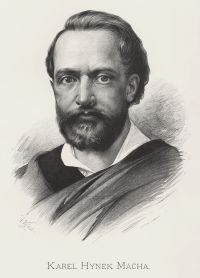
In Irish mythology, Macha is linked to Emain Macha and the Red Branch, as in Standish O’Grady’s The Coming of Cú Chulainn, where her presence underscores mythic grandeur. Karel Hynek Mácha, a Czech poet, further anchors the name in literary history, highlighting its resonance across time and tradition. These varied portrayals reveal Macha as a conduit for exploring identity, sacrifice, and the interplay between legend and lived experience.
Quotes about “Macha”
“ Even Macha, whom I had always known and loved as myself, seemed totally changed. It was only now that I understood that nothing had compelled her to be what she had been to us, a mother, a friend, a slave to our whims and fancies. I comprehended all the abnegation, all the devotion, of this loving creature, I realized the greatness of my obligations to her, and loved her so much the more. He had already taught me to regard our people, our peasants, our droroviés, [A] our men and women servants, in a totally different light. ”
“ Raising his hat he came towards me, his face lighted up with sudden joy. At the sight of Macha, still asleep, his eyes twinkled, he bit his lip, and began tip-toeing elaborately. I saw at once that he was in one of those fits of causeless gayety which I liked so much in him, and which, between ourselves, we called “le transport sauvage.” At such times he was like a boy just let out of school, his whole self from head to foot instinct with delight and happiness.“How do you do, little violet, how goes the day with you? Well?” ”