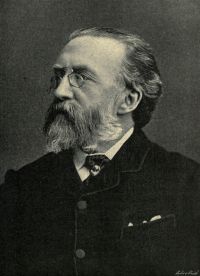
Earl Spencer

Definition and stakes

E. T. Raymond,  Portraits of the Nineties

“ It is true that the sort of man Earl Spencer was—and he was once the ordinary type of great lord in politics—is still to be found, but you shall hardly find him in affairs. And he has, perhaps, a little coarsened; he has grown too horsey, and lost his old taste for things of the mind. Earl Spencer was Master of the Pytchley, and astonished John Morley by the zest with which he set out on a fourteen-mile drive to the meet on a pouring wet morning, after being up half the night talking politics. ”
Source: Gutenberg

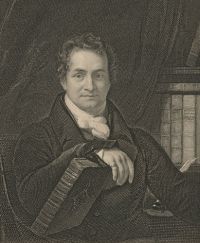
Portrait of Thomas Frognall Dibdin Thomas Frognall Dibdin,  Bibliomania; or Book-Madness

“ Such a character is George John Earl Spencer! A nobleman, not less upright and weighty in the senate than polished and amiable in private life; who, cool and respected amidst the violence of party, has filled two of the most important offices of state in a manner at once popular and effective; and who, to his general love of the fine arts, and acquaintance with classical literature, has superadded the noble achievement of having collected the finest private library in Europe! ”
Source: Gutenberg

William Younger Fletcher,  English Book Collectors

“ George John, second Earl Spencer, was born on the 1st of September 1758. He was the only son of John Spencer, who was created Viscount Spencer of Althorp in 1761, and Earl Spencer in 1765, and grandson of John, the youngest son of Charles Spencer, third Earl of Sunderland. At seven years of age he was placed under the tutorship of William Jones, the famous Orientalist, who was afterwards knighted, with whom he made two Continental tours. Jones resigned his charge in 1770, when Lord Althorp was sent to Harrow, and, on leaving school, to Trinity College, Cambridge. ”
Source: Gutenberg

Get perspective with Kwize: daily news enlightened by great literature