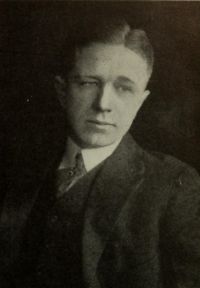
Earl of Carlisle

Definition and stakes

Henry M. Field The Story of the Atlantic Telegraph

No one could have been better fitted to represent his own country, and to command audience from ours. The Earl of Carlisle—better known among us as Lord Morpeth—had travelled in the United States a few years before, and shown himself one of the most intelligent and liberal foreigners that have visited America. No representative of England could on that day have stood upon the shores of Ireland, and stretched out his hand to his kindred beyond the sea with more assurance that his greeting would be warmly responded to.
Source: Gutenberg

S. C. Hall The Stately Homes of England

Edward, second Earl of Carlisle, married Elizabeth, daughter of Sir William Berkeley, by whom he had issue three sons and two daughters. His lordship died in 1692, and was succeeded by his only surviving son, Charles, as third earl, who, during the minority of his kinsman, the Duke of Norfolk, held the office of Deputy Earl Marshal: many important posts were conferred upon, and trusts reposed in, him. He married Lady Elizabeth Capel, daughter of the Earl of Essex, by whom he left issue two sons—Henry, who succeeded him, and Charles, a general of the army—and three daughters.
Source: Gutenberg

Baron George Gordon Byron Byron The Works of Lord Byron: Letters and Journals…

When youth and love no more can bless,
Let death obey my call."
Lady Carlisle's son, Frederick, who was educated at Eton and Cambridge, succeeded his father as fifth Earl of Carlisle, in 1758, when he was ten years old. After leaving Cambridge, he started on a continental tour with two Eton friends — Lord FitzWilliam and Charles James Fox. A lively letter-writer, his correspondence with his friend George Selwyn, while in Italy, shows him to have been a young man of wit, feeling, and taste.
Source: Gutenberg

Get perspective with Kwize: daily news enlightened by great literature