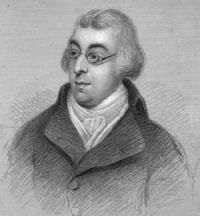
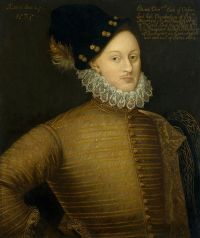
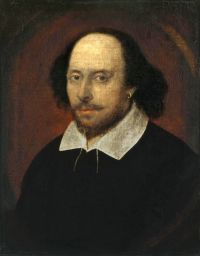
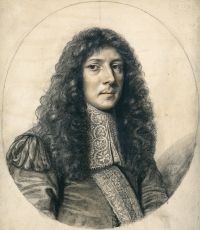
Edward de Vere, 16th Earl of Oxford

Definition and stakes

Sidney Lee Dictionary of National Biography… (1899)

VERE, JOHN de, sixteenth Earl of Oxford (1512?–1562) , born about 1512, was eldest son of John de Vere, fifteenth earl of Oxford (1490?–1540) , by his wife Elizabeth, daughter of Sir Edward (or John) Trussell of Cublesdon, Staffordshire. His father (a cousin of John de Vere, fourteenth earl, often called ‘Little John of Campes,’ 1499?–1526) , was esquire of the body to Henry VIII in 1510; was knighted by the king on 25 Feb.
Source: Wikisource

Maurice Jonas Shakespeare and the Stage

There was a company of actors under the patronage of Edward de Vere, Earl of Oxford, as early as 1562, but no evidence of where they acted is in existence. Again, in 1580, the same Earl was patron of a company of boy actors, who performed chiefly in the provinces or at Court. They are described as the Earl of Oxenford, his boys. Antony Munday, the celebrated dramatist, was at one time a boy actor in this company. The Oxford men are mentioned as those who generally set up their play-bills in the City every day in the week
Source: Gutenberg

Portrait of John Cassell John Cassell Cassell's Illustrated History of England (1865)

He therefore created his uncles, the Earls of Cambridge and Buckingham, Dukes of York and Gloucester, with a new grant of lands of the annual value of £1,000 each. Henry Bolingbroke, the son of Lancaster, and Edward Plantagenet, the son of the Duke of York, he made Earls of Derby and Rutland. But then he proceeded to heap similar honours and emoluments on his favourites. Robert de Vere, a handsome young man, of good family, but of dissolute manners, he created Earl of Oxford, with the title of Duke of Ireland—a title before unknown in England
Source: Wikisource

Get perspective with Kwize: daily news enlightened by great literature