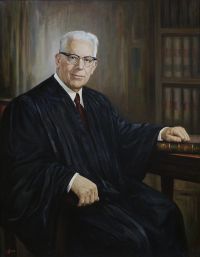
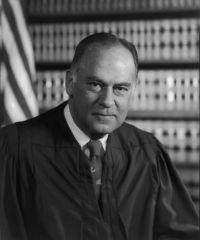
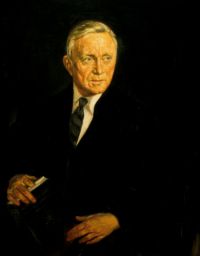
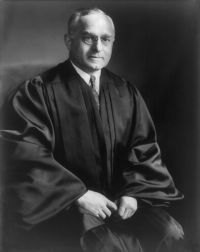
The Equal Protection Clause, enshrined in the Fourteenth Amendment (1868), requires that states grant all individuals within their jurisdiction equal legal treatment. Originally intended to secure civil rights for formerly enslaved people, it has since become a foundational element of anti-discrimination law.
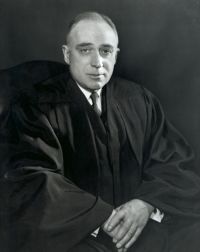
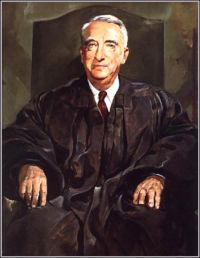
Justices such as Earl Warren highlighted its role in supporting rational state interests, while Sandra Day O’Connor stressed that moral disapproval by itself cannot justify discriminatory legislation. John Marshall Harlan II, on the other hand, raised doubts about its applicability in specific situations. The clause’s shifting interpretations, from Brown v. Board of Education to Obergefell v. Hodges, demonstrate its lasting importance in reconciling constitutional principles with societal inequalities.