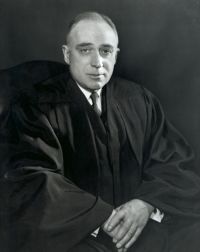
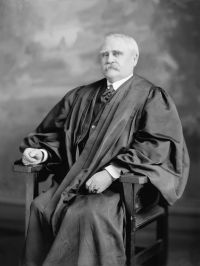
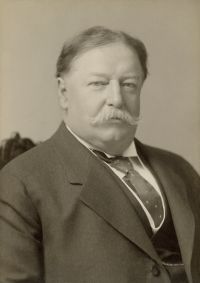
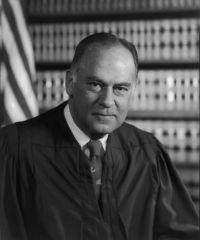
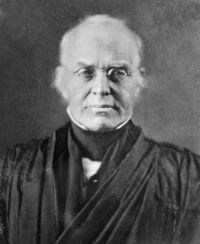
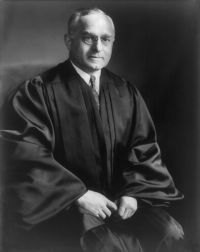
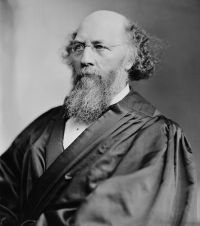
The Due Process Clause, enshrined in the Fifth and Fourteenth Amendments, prevents the federal and state governments from denying individuals life, liberty, or property without proper legal procedure. The U.S. Supreme Court has interpreted this to include procedural fairness, fundamental rights, and equal treatment under the law.
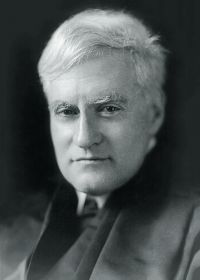
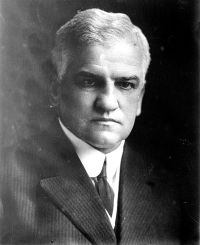
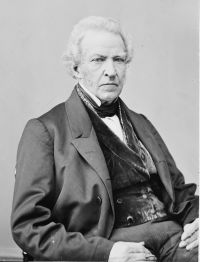
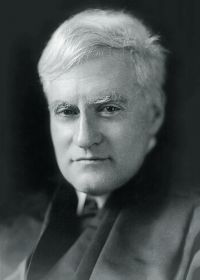
Justices such as John Marshall Harlan II highlighted its role as a "rational continuum" resisting arbitrary limitations, while Hugo Black warned against allowing personal views to shape its interpretation. Edward Douglass White stressed its broad applicability across all branches of government. These viewpoints together confirm the clause’s function as a flexible shield, maintaining a balance between individual freedoms and governmental power through changing legal principles.