Eumenides

Definition and stakes

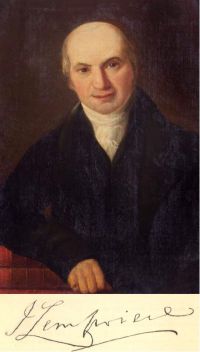
Portrait of John Lyly John Lyly,  Endymion, The Man in the Moon (1591)

“ EUMENIDES: Be the faithful lovers so scant?
GERON: It seemeth so, for yet heard I never of any.
EUMENIDES: Ah Eumenides, how art thou perplexed! Call to mind the beauty of thy sweet mistress and the depth of thy never-dying affections. How oft hast thou honored her, not only without spot but suspicion of falsehood! And how hardly hath she rewarded thee without cause or color of despite! How secret hast thou been these seven years, so that hast not, nor once darest not, to name her for discontenting her. Unhappy Eumenides!
”
Source: Wikisource

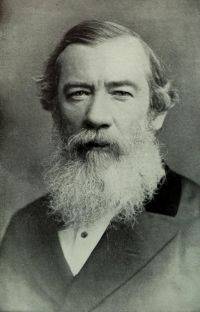
Portrait of Aeschylus Aeschylus,  Dramas of Aeschylus (1886)

“ Thus the drama of the Eumenides exhibits, under one of its grandest phases, the contest between the Titans and the Olympian gods, issuing in the triumph of free will and moral power over blind instinct and necessity, while the transmutation of the Erinyes into the Eumenides symbolizes the profound thought that even the instinctive tendencies in human nature are implanted there by its Divine Author, and consequently that man's highest well-being demands, not their suppression or annihilation, but their harmonious subordination to the higher faculties of the soul. ”
Source: Wikisource

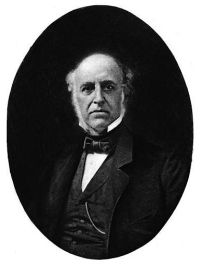
Portrait of Moncure Daniel Conway Moncure Daniel Conway,  Demonology and Devil-lore

“ And yet, while recognising the name Eumenides as euphemistic, we may admire none the less the growth of that rationalism which ultimately found in the epithet a suggestion of the soul of good in things evil, and almost restored the beneficent sense of Saranyu. ‘I have settled in this place,’ says Athene in the ‘Eumenides’ of Æschylus, ‘these mighty deities, hard to be appeased; they have obtained by lot to administer all things concerning men. ”
Source: Gutenberg

Get perspective with Kwize: daily news enlightened by great literature