Gorgon

Definition and stakes

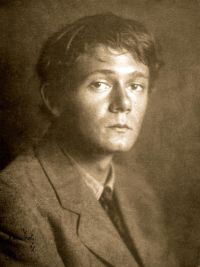
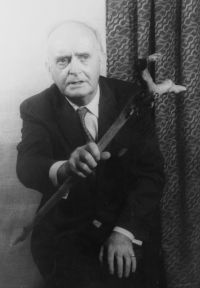
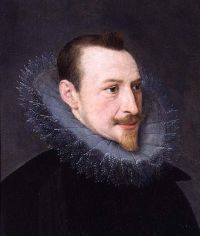
Portrait of Nathaniel Hawthorne Nathaniel Hawthorne,  A Wonder Book (1922)

“ The eyes were closed, and the Gorgon was still in a deep slumber; but there was an unquiet expression disturbing her features, as if the monster was troubled with an ugly dream. She gnashed her white tusks, and dug into the sand with her brazen claws. ”
Source: Wikisource

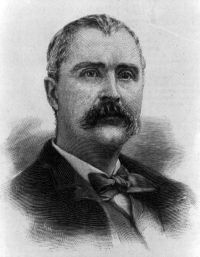
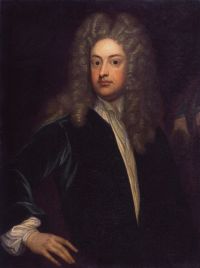
Portrait of Jean Paul Jean Paul,  Titan: A Romance. v. 2 (of 2)

“ Little malicious fays sit on the little children's tables, as if they were tender children, and very much loved to see men and human pleasure; anon they start up as wild huntresses, and run through the blossoms; a thousand hands turn up the garden with its blossoming trees, and point its black, gloomy thicket of roots like summits up into heaven; Gorgon heads look out of the twigs, and up in the thunder-house there is an incessant weeping and laughing;—nothing is fair and soft but the great, daring Tartarus. ”
Source: Gutenberg

1911 Encyclopædia Britannica, Volume 12… (1911)

“ GORGON, GORGONS (Gr. Γοργώ, Γοργόνες, the “terrible,” or, according to some, the “loud-roaring”) , a figure or figures in Greek mythology. Homer speaks of only one Gorgon, whose head is represented in the Iliad (v. 741) as fixed in the centre of the aegis of Zeus. In the Odyssey (xi. 633) she is a monster of the under-world. Hesiod increases the number of Gorgons to three—Stheno (the mighty) , Euryale (the far-springer) and Medusa (the queen) , and makes them the daughters of the sea-god Phorcys and of Keto. Their home is on the farthest side of the western ocean ”
Source: Wikisource

Get perspective with Kwize: daily news enlightened by great literature