The First World War, a global conflict lasting from 1914 to 1918, transformed nations and ideologies through unmatched combat. Authors such as Logan Marshall illustrated its immense scope, portraying Europe as “a continent, well nigh a world, in arms,” while Louis Paul Bénézet highlighted the ethical implications of involvement, presenting the war as a struggle for worldwide peace.
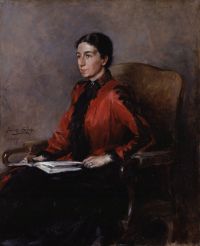
In contrast, German Emperor William II praised Germany’s military strength, claiming their efforts to “restore the situation” for allies. Meanwhile, Mrs. Humphry Ward emphasized Britain’s measured yet determined readiness, contrasting it with Germany’s “millions” of troops. These differing viewpoints, ranging from strategic evaluation to nationalistic appeals, together demonstrate the war’s complexity, intertwining militarism, idealism, and the deep transformation of a fractured world.