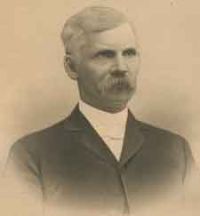
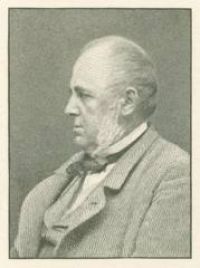
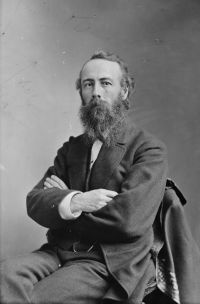
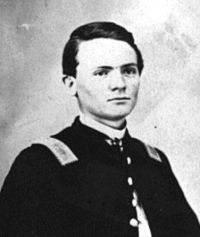
George H. Rosecrans

Definition and stakes

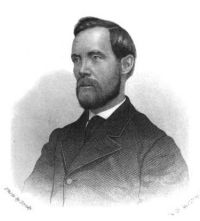
Portrait of Ann S. Stephens Ann S. Stephens,  Pictorial history of the war for the Union… (1866)

“ After much active service, and after thoroughly beating the rebels at Mill Spring, he, with his division, joined General Buell, at Nashville. In April, 1862, he was constituted Major-General of Volunteers. When General Rosecrans assumed command 267of the Army of the Cumberland, he was assigned to the command of the centre.
MAJOR-GENERAL GEORGE H. THOMAS.
In personal appearance General Thomas is dignified and manly; in habit temperate, and distinguished alike for wisdom in council and courage in battle, “George H. Thomas,” said General Rosecrans, “is a man of extraordinary character.
”
Source: Gutenberg

Philip Henry Sheridan,  Personal Memoirs of P. H. Sheridan…

“ The fires and the supposed movements had no weight, therefore, in deciding the proposition to take up a line at Overall's creek, but General Rosecrans, fortunately for the army, decided to remain where he was. Doubtless reflections during his ride caused him to realize that the enemy must be quite as much crippled as himself. If it had been decided to fall back to Overall's creek, we could have withdrawn without much difficulty very likely, but such a retrograde movement would have left to the enemy the entire battle-field of Stone River and ultimately compelled our retreat to Nashville. ”
Source: Gutenberg

William Franklin Gore Shanks,  Personal Recollections of Distinguished Generals

“ I have known him, when merely directing an orderly to carry a dispatch from one point to another, grow so excited, vehement, and incoherent as to utterly confound the messenger. In great danger as in small [Pg 261] things, this nervousness incapacitated him from the intelligible direction of his officers or effective execution of his plans. He possessed no control over himself, and consequently was not capable of directing others.
WILLIAM S. ROSECRANS.
Rosecrans was not an impressive man. It was too apparent that all he did was for "effect," in the theatrical sense.
”
Source: Gutenberg

Get perspective with Kwize: daily news enlightened by great literature