Battle of Chickamauga

Definition and stakes

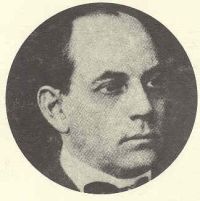
Portrait of Joseph A. Altsheler Joseph A. Altsheler Before the Dawn: A Story of the Fall of Richmond

The great battle of Chickamauga had been won not long before, but it was a barren victory. There were no more Fredericksburgs nor Chancellorsvilles to rejoice over. Gettysburg had come; the genius of Lee himself had failed; Jackson was dead and no one had arisen to take his place.
There were hardships now more to be feared than mere battles. The men might look forward to death in action, and not know what would become of the women and children. The price of bread was steadily rising, and the value of Confederate money was going down with equal steadiness.
Source: Gutenberg

William Franklin Gore Shanks Personal Recollections of Distinguished Generals

In the campaign and battle of Chickamauga Thomas was second in command to Rosecrans, but in all its important actions his is the principal figure. The story of Chickamauga has been often, and, in one or two instances, well told; but the whole truth about it must be reserved until time shall permit the historian to tell it without fear or favor. Thomas stands forth the undisputed hero of that day—the single spirit upon whom all depends. He is the central figure. There are no heroes beside him.
Source: Gutenberg

George B. Guild A brief narrative of the Fourth Tennessee Cavalry Regiment…

Troops from all the States, both North and South, participated in the battle of Chickamauga. Most of them have erected imposing monuments to their respective soldiers. A forest of monumental spires is to be seen in any direction one may travel over the great field of battle, every one of which, as it lifts its tall shaft to the skies, tells of the soldiers who fought there, whether they wore the blue or the gray.
As I have said before, the Confederate armies never enlisted more than six hundred thousand soldiers from first to last.
Source: Gutenberg

Get perspective with Kwize: daily news enlightened by great literature