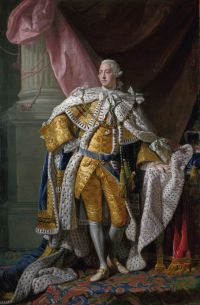
George I of Great Britain (1660–1727), the first monarch of the House of Hanover, ruled from 1714 to 1727, signifying a crucial shift in British governance. His rise to the throne followed the Act of Settlement 1701, which excluded Catholic claimants in favor of his Protestant line. Throughout his reign, the authority of the monarchy diminished, setting the stage for the emergence of cabinet government under leaders such as Robert Walpole. Writers like Samuel Madden emphasized his involvement in European affairs and the diplomatic challenges he faced, while T.
Smollett offered criticism of his political strategies amid electoral controversies. James Wood’s comprehensive entry highlighted his influence on early 18th-century conflicts, and Gu Hongming, though anachronistically, reflected on the symbolic significance of monarchy. Together, these viewpoints reveal George I’s multifaceted legacy: a sovereign managing European tensions, constitutional changes, and the shifting dynamics between the crown and parliament, thereby leaving a lasting impact on modern British political systems.
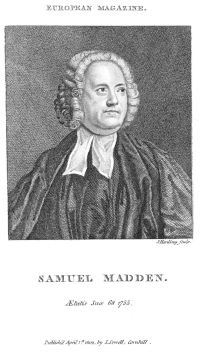 Samuel Madden,
The Reign of George VI
(1763)
Samuel Madden,
The Reign of George VI
(1763)