Georgia (British colony)

Definition and stakes

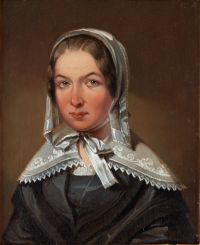
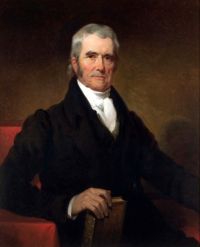
Portrait of Mary Howitt Mary Howitt,  A popular history of the United States of America… (1860)

“ Homes were growing up in Vermont. In the same manner population extended westward beyond the Alleganies, as soon as the Indian disturbances were allayed in that direction. The go-a-head principle was ever active in British America. The population of Georgia was beginning to increase greatly, and in 1763 the first newspaper of that colony was published, called the “Georgia Gazette.” A vital principle was operating also in the new province of East Florida, now that she ranked among the British possessions. ”
Source: Gutenberg

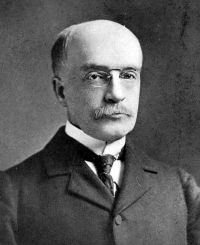
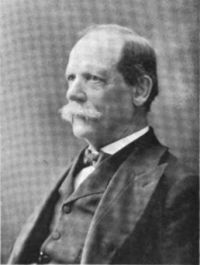
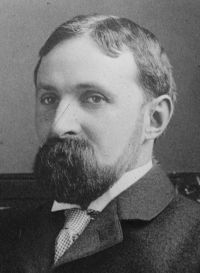
Portrait of Joel Cook Joel Cook,  America, Volume 2 (of 6)

“ The French were engaged in desultory quarrels with the Spaniards south of them at St. Augustine, and the young gallants of the colony, in the intervals of the warfare, alternately courted and jilted the Indian maidens, the result being a 370 savage attack and massacre; and finally, between Indian and Spanish enmity, the settlement disappeared. But the English, made of sterner stuff, ultimately came along, settling Georgia, and giving British names to the islands, the rivers and the Sound, which they still retain. ”
Source: Gutenberg

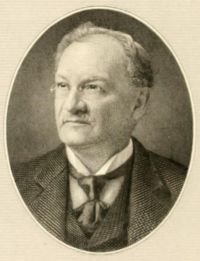
Sophie Lee Foster,  Revolutionary Reader: Reminiscences and Indian Legends

“ When the American Colonies of Great Britain determined to rebel at the stubborn demands of the mother country, Georgia had least cause to join the revolutionary movement.
This colony was by fifty years the youngest of the "original thirteen," and had been specially favored by England. She was the largest, but the weakest, of all the provinces. The landless of other countries and of other colonies had come in large numbers to obtain a home where they might own the soil they tilled. At the beginning of the Revolution the total population of Georgia was about 20,000 whites and 17,000 blacks.
”
Source: Gutenberg

Get perspective with Kwize: daily news enlightened by great literature