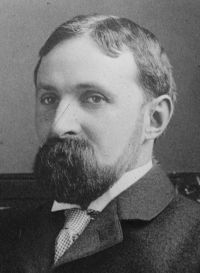
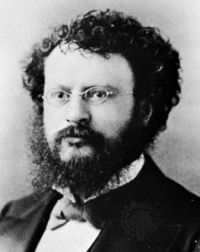
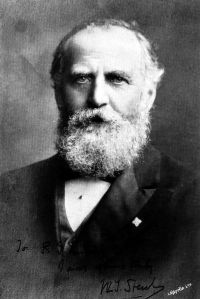
The governor of New York, as the head of the state’s executive branch, wields considerable power in implementing laws, rejecting bills, and directing military operations. Historically grounded in colonial administration, the role has transformed through constitutional changes, with leaders such as Theodore Roosevelt and Grover Cleveland illustrating its political influence.
Scholars like Cadwallader Colden highlighted the governor’s diplomatic complexities with Indigenous peoples, while William D. Guthrie stressed the office’s national importance due to New York’s large population. De Alva Stanwood Alexander documented its political development, showing how it has served as a pathway to the presidency. The position’s combined duties—managing state affairs and embodying symbolic stature—demonstrate its lasting significance in both New York and U.S. politics.
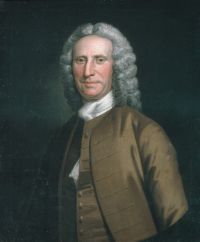 Cadwallader Colden,
Papers Relating to an Act of the Assembly of the Province of New-York
Cadwallader Colden,
Papers Relating to an Act of the Assembly of the Province of New-York