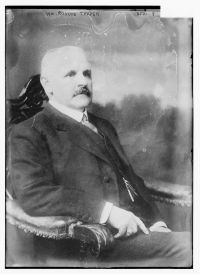
William Roscoe Thayer

Biographical details

Portrait of William Roscoe Thayer William Roscoe Thayer,  Theodore Roosevelt: An Intimate Biography

“ Theodore Roosevelt was so vastly human, that no worshiper can make him abstract and retain recognizable features. We have reached the time when we will not suffer anybody to turn our great ones into gods or demigods, and to remove them far from us to dwell, like absentee deities, on a remote Olympus, or in an unimaginable Paradise; we must have them near, intimates whom our souls can converse with, and our hearts love. Such an intimate was Roosevelt living, and such an intimate will he be dead. Washington, Lincoln, Roosevelt—those are the three whom Americans will cherish and revere ”
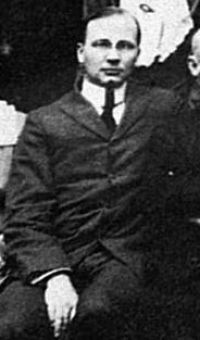
Source: Gutenberg

Portrait of William Roscoe Thayer William Roscoe Thayer,  Throne-Makers

“ He lived in exile at Turin, a forlorn old man, forlorn but inflexible, amid the memories of exploits which once had amazed the world. There he died on March 20, 1894, having survived all his contemporaries, friends and foes alike, who had beheld the rise and splendor and eclipse of his astonishing career. To be the mouthpiece of a haughty and valiant people at one of the heroic crises of their history was his mission. His genius, his defects, mirror the genius and defects of his countrymen; his glory, being a part of the glory of a whole race, is secure. ”
Source: Gutenberg

Portrait of William Roscoe Thayer William Roscoe Thayer,  The Harvard Classics Vol. 51 (1914)

“ Perhaps, however, you were led into biography through other channels. The life of Napoleon or of Cæsar, of some painter, poet, man of letters, inventor, or explorer, may have been the first to attract you; but the outcome will be the same. You will feel that you have gained a new companion, as real as your flesh-and-blood intimates, but wittier, wiser, or more picturesque than they; a friend whose latchstring is always out for you to pull; a crony who will gossip when you desire, who will never desert you nor grow cold nor yawn at your dulness, nor resent your indifference. ”
Source: Wikisource

Get perspective with Kwize: daily news enlightened by great literature