Lajos Kossuth

Definition and stakes

1911 Encyclopædia Britannica (1911)

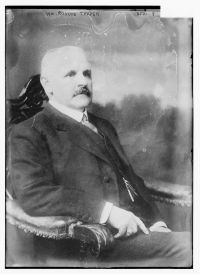
KOSSUTH, FERENCZ LAJOS AKOS (1841– ) , Hungarian statesman, the son of Lajos Kossuth, was born on the 16th of November 1841, and educated at the Paris Polytechnic and the London University, where in 1859 he won a prize for political economy. After working as a civil engineer on the Dean Forest railway he went (1861) to Italy, where he resided for the next thirty-three years, taking a considerable part in the railway construction of the peninsula, and at the same time keeping alive the Hungarian independence question by a whole series of pamphlets and newspaper articles.
Source: Wikisource

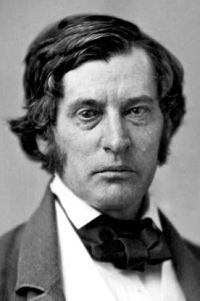
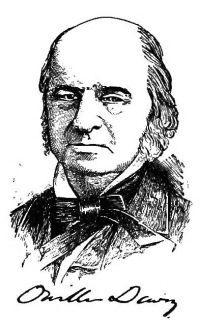
Portrait of Lajos Kossuth Lajos Kossuth Select Speeches of Kossuth

Hungary permanently crushed, all Europe is Cossack. And what does Hungary need for freedom? Not that other nations should fight our proper battle against our immediate oppressor. We have hearts loving freedom and ready to shed their blood for it; we have armies fully equal to Austria, we want only "FAIR PLAY." Let the United States feel itself to be as it is, a Power on earth, bound to aid in the police of the nations, and in the name of violated right let it say to the Russian intruder, "Keep back, hands off, let the brave Magyars fight their own battle, else we must take their part."
Source: Gutenberg

Portrait of Lajos Kossuth Lajos Kossuth Select Speeches of Kossuth

I, however, perfectly agree with the noble count, that the nation, once more restored to its constitutional existence, and free from foreign yoke, will have the unlimited right to dispose of all the affairs of the country, and consequently of the executive power. To assert a contrary opinion would be a crime against the nation. Not over a liberated nation (which, of course, would have the right to choose whom it will) , but over a nation crushed by an usurping power, the claims of Kossuth, as elected Governor of Hungary, are, I submit, lawful.
Source: Gutenberg

Get perspective with Kwize: daily news enlightened by great literature