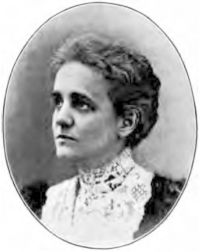
Harriet Beecher Stowe (1811–1896), an American author and abolitionist, is best known for her novel Uncle Tom’s Cabin (1852), a seminal work that vividly depicted the moral horrors of slavery and stirred anti-slavery sentiment across the United States and Britain. Born into a prominent Calvinist family in Connecticut, she drew on her upbringing, personal losses, and experiences in Cincinnati—where she witnessed racial violence and abolitionist debates—to craft narratives that combined religious conviction with social critique.
Authors such as Martha Foote Crow highlighted her early life, portraying her as a dedicated educator and writer who infused her stories with compassion for marginalized communities. Her work, though controversial in the South, became a catalyst for national discourse on slavery, while her later writings and advocacy for women’s rights underscored her enduring commitment to social justice. Stowe’s legacy lies in her ability to transform personal anguish into a universal call for humanity, leaving an indelible mark on literature and abolitionist movements.