Heian period

Definition and stakes

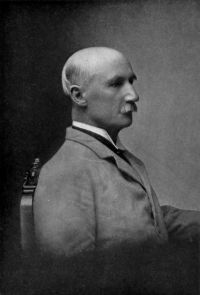
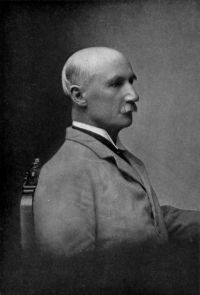
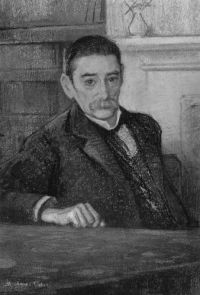
Portrait of William George Aston William George Aston,  A History of Japanese Literature (1899)

“ The literature of the Heian period reflects the pleasure-loving and effeminate, but cultured and refined character of the class of Japanese who produced it. It has no serious, masculine qualities. History, theology, science, law—in short, all learned and thoughtful works were composed in the Chinese language, and were of poor literary quality. The native literature may be described in one word as belles-lettres. ”
Source: Wikisource

Portrait of William George Aston William George Aston,  A History of Japanese Literature (1899)

“ In the Heian period the women took a still more conspicuous part in maintaining the honour of the native literature. The two greatest works which have come down to us from this time are both by women. This was no doubt partly due to the absorption of the masculine intellect in Chinese studies, and to the contempt of the stronger sex for such frivolous pursuits as the writing of poetry and romances. But there was still a more effective cause. The position of women in ancient Japan was very different from what it afterwards became when Chinese ideas were in the ascendant. ”
Source: Wikisource

Portrait of William George Aston William George Aston,  A History of Japanese Literature (1899)

“ The position of the wife, as of women generally, was very different in the Yedo period from what it had been in earlier times. Chinese notions of the absolute subjection and the seclusion, as far as possible, of the sex, made great progress. Women were now rarely heard of in public life, and disappear completely from the world of literature—a significant fact when we remember the feminine masterpieces of the Heian period. ”
Source: Wikisource

Get perspective with Kwize: daily news enlightened by great literature