Samisen

Definition and stakes

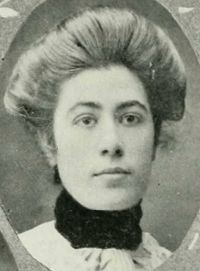
Grace James,  Japanese Fairy Tales

“ She dwelt in the narrow street of the geisha, where the red and white lanterns swing and the plum trees flourish by the low eves. The street of the geisha is full of music, for they play the samisen there all day long.
Sakura-ko played it too; indeed she was skilful in every lovely art. She played the samisen, the kotto, the biwa, and the small hand-drum. She could make songs and sing them. Her eyes were long, her hair was black, her hands were white. Her beauty was wonderful, and wonderful her power to please. From dawn to dusk, and from dusk to dawn she could go smiling and hide her heart.
”
Source: Gutenberg

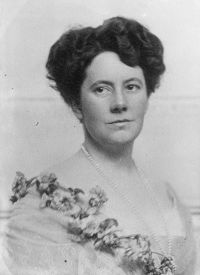
Portrait of Isabel Anderson Isabel Anderson,  The Spell of Japan

“ Many humans live in a world not very much larger than a goldfish's bowl, and never try to get out at all!
Of an evening one heard the notes of the samisen, an instrument like a small-headed banjo, made of catskin and having three strings. Japanese music is minor, and being in half tones, which our ear is not trained to appreciate, sounds very strange, and to many even uncouth.
”
Source: Gutenberg

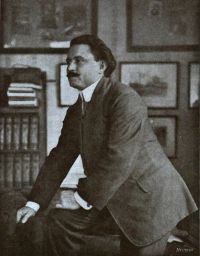
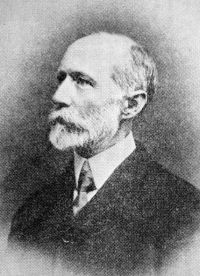
Jukichi Inouye,  Home Life in Tokyo

“ And it must be admitted that the samisen can never charm and enthrall us like the deep-sounding cathedral organ; and its want of volume deprives it of any power to make a cumulative impression upon us. In short, our samisen-music is mainly a matter of dexterity, with a modicum of taste and judgment. We do not look to it to sway our passions—to move us to tears or laughter, to stir up in us anger, awe, pity, or wonder, or to fire us into bursts of patriotic enthusiasm. ”
Source: Gutenberg

Get perspective with Kwize: daily news enlightened by great literature