Kamakura

Definition and stakes

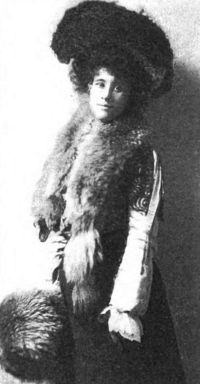
Portrait of Eliza Ruhamah Scidmore Eliza Ruhamah Scidmore,  Jinrikisha Days in Japan (1891)

“ In the spring, Kamakura is a delightful resort, on whose dazzling beach climate and weather are altogether different from those of Yokohama or Tokio. In summer-time, the steady south wind, or monsoon, blows straight from the ocean, and the pine grove between the hotel and shore is musical all day long with the pensive sough of its branches. In winter it is open and sunny, and the hot sea-water baths, the charming walks and sails, the old temples and odd little villages, attract hosts of visitors. ”
Source: Wikisource

Joseph Breck,  Handbook of the Minneapolis Institute of Arts

“ The Kamakura period (1190-1337) is the feudal era of Japan. The spirit of individualism and hero-worship which distinguishes this age brought about a great development in portraiture, even the gods assuming a more individualized character. Battle scenes and the achievements of famous warriors and heroes were popular subjects. To overawe the populace, religious artists for the first time pictured the horrors of hell. Forceful delineation and the vigorous expression of action are characteristic of Kamakura art. ”
Source: Gutenberg

Get perspective with Kwize: daily news enlightened by great literature