Oda Nobunaga

Definition and stakes

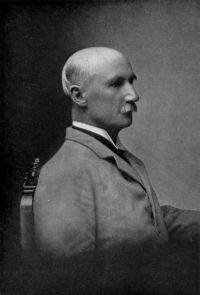
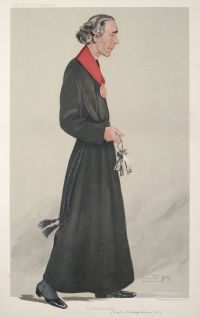
Portrait of F. Brinkley F. Brinkley A history of the Japanese people

The funds thus obtained were devoted to the repair of the palaces of the Emperor and the shogun, a measure which won for Nobunaga the applause of the whole of Kyoto.
NOBUNAGA'S SITUATION Oda Nobunaga was now in fact shogun. So far as concerned legalized power he had no equal in the empire, but his military strength was by no means proportionate. In the north, in the east, in the west, and in the south, there were great territorial nobles who could put into the field armies much larger than all the Owari chief's troops. Takeda Shingen, in the Kwanto, was the most formidable of these opponents.
Source: Gutenberg

Captain F. Brinkley Japan: Its History, Arts, and Literature (1902)

At the moment when the question of the State's attitude towards Christianity had to be answered, Oda Nobunaga, the first of the great triumvirate who finally rescued Japan from internecine strife, was approaching the zenith of his power in the central and northern districts. He aimed at restoring the administrative authority of the Emperor and putting an end to the sanguinary struggles carried on by the feudal chiefs throughout the Empire.
Source: Wikisource

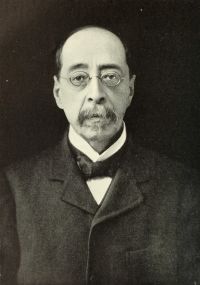
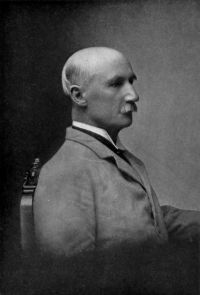
Portrait of Francis Brinkley Francis Brinkley 1911 Encyclopædia Britannica, Volume 15… (1911)

But if ever events create the men to deal with them, such was the case in the second half of that century. Three of the greatest captains and statesmen in Japanese history appeared upon the stage simultaneously, and moreover worked in union, an event altogether inconsistent Nobunaga, Hideyoshi
and Iyeyasu. with the nature of the age. They were Oda Nobunaga, Hideyoshi (the taikō) and Tokugawa Iyeyasu. Nobunaga belonged to the Taira family and was originally ruler of a small fief in the province of Owari.
Source: Wikisource

Get perspective with Kwize: daily news enlightened by great literature