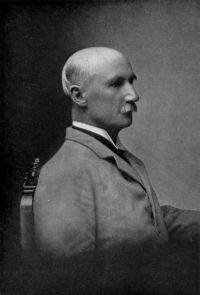
Tokugawa Ieyasu

Definition and stakes

I. William Adams,  Yodogima: In Feudalistic Japan

“ Ieyasu pondered, possibly frowned: still waited.
“Get as close as you can, to this monkey-faced tyrant,” continued she, “and some unlooked-for riddance may discreetly arise. On the way, I shall, with your permission, pay Yodogima a visit: I think I can unearth the likelihood: her scheme we already know. You are rich and powerful now; Yedo has thrived beyond their knowledge, though Hideyoshi is said once upon a time to have seen without eyes. I tell you, the Tokugawa (Ieyasu’s family: its name) is a possibility. Trust me, Ieyasu
”
Source: Gutenberg

David Murray,  Japan

“ Therefore he was, as custom and tradition now for a long time had required for those holding the office of shōgun, a descendant from the Minamoto family.190 The name Tokugawa, which Ieyasu rendered famous, was derived from a village in the province of Shimotsuke, where his ancestors had lived. His first experiences in war were under Nobunaga, side by side with Hideyoshi. He proved himself not only a capable soldier, prudent and painstaking, but also a good administrator in times of peace. ”
Source: Gutenberg

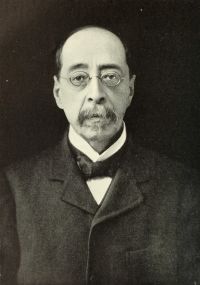
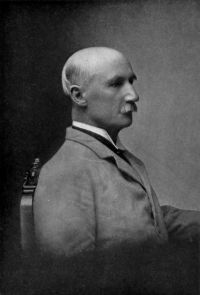
Portrait of F. Brinkley F. Brinkley,  A history of the Japanese people

“ For, during the very days of his asylum in Fushimi, under the protection of Ieyasu, Ishida opened secret communication with Uesugi Kagekatsu and invited him to strike at the Tokugawa. Uesugi consented. It must be observed that the character of Ishida has been portrayed for posterity mainly by historians who were under Tokugawa influence. Modern and impartial annalists are by no means so condemnatory in their judgment of the man. In whatever arts of deception Ishida excelled, Ieyasu was at least his equal ”
Source: Gutenberg

Get perspective with Kwize: daily news enlightened by great literature