Heimdall

Definition and stakes

H. A. Guerber,  Myths of northern lands (1895)

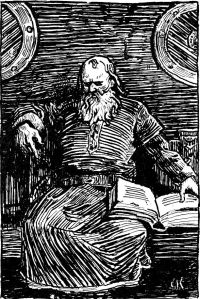
“ Heimdall, like Argus, was gifted with marvelous keenness of sight, which enabled him to perceive even the growth of the grass. His Giallar-horn, which could be heard throughout all the world, proclaiming the gods’ passage to and fro over the quivering bridge Bifröst, was like the trumpet of the goddess Renown. As he was related to the water deities on his mother’s side, he could, like Proteus, assume any form at will, and made good use of this power on one occasion to frustrate Loki’s attempt to steal the necklace Brisinga-men. ”
Source: Gutenberg

Henry Iliowizi,  The Weird Orient: Nine Mystic Tales

“ Heimdall’s business is to make the round of the borders of heaven to prevent intruders from ascending by the way of Bifrost, that is the bridge built of the rainbow’s light which links earth to Odin’s ethereal Court. He is especially anxious to intercept the mischievous giants who are ever on the alert to annoy the powers of Asgard. As Heimdall’s ears are so fine that he hears growing of the grass and of the wool on a sheep’s back, it is no wonder that his warning of impending danger startled the gods. ”
Source: Gutenberg

Anne C. Lynch Botta,  Handbook of Universal Literature…

“ Heimdall sounds his trumpet, which echoes through all worlds; the gods fly to arms; Odin appears in his golden casque, his resplendent cuirass, with his vast scimitar in his hand, and marshals his heroes in battle array. The great ash tree is shaken to its roots, heaven and earth are full of horror and affright, and gods, giants, and heroes are at length buried in one common ruin. ”
Source: Gutenberg

Get perspective with Kwize: daily news enlightened by great literature