Ragnarök

Definition and stakes

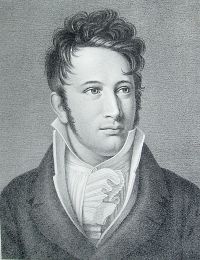
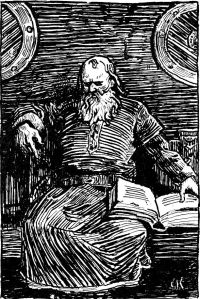
Portrait of Snorri Sturluson Snorri Sturluson,  The Younger Edda; Also called Snorre's Edda…

“ Then smoke wreathes up around the ash Ygdrasil, the high flames play against the heavens, the graves of the gods, of the giants and of men are swallowed up by the sea, and the end has come. This is Ragnarok, the twilight of the gods.
But the radiant dawn follows the night. The earth, completely green, rises again from the sea, and where the mews have but just been rocking on restless waves, rich fields unplowed and unsown, now wave their golden harvests before the gentle breezes. The asas awake to a new life, Balder is with them again.
”

Source: Gutenberg

H. A. Guerber,  Myths of the Norsemen: From the Eddas and Sagas

“ Seeing that crime was rampant, and all good banished from the earth, the gods realised that the prophecies uttered of old were about to be fulfilled, and that the shadow of Ragnarok, the twilight or dusk of the gods, was already upon them. Sol and Mani grew pale with affright, and drove their chariots tremblingly along their appointed paths, looking back with fear at the pursuing wolves which would shortly overtake and devour them; and as their smiles disappeared the earth grew sad and cold, and the terrible Fimbul-winter began. ”
Source: Gutenberg

P. Austin Nuttall,  The Nuttall Encyclopædia

“ Ragnarök, in the Norse mythology the twilight of the gods, when it was predicted "the Divine powers and the chaotic brute ones, after long contest and partial victory by the former, should meet at last in universal, world-embracing wrestle and duel, strength against strength, mutually extinctive, and ruin, 'twilight' sinking into darkness, shall swallow up the whole created universe, the old universe of the Norse gods" ”
Source: Gutenberg

Get perspective with Kwize: daily news enlightened by great literature