Mani

Definition and stakes

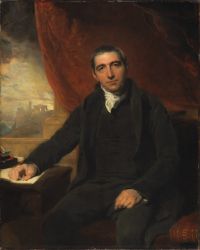
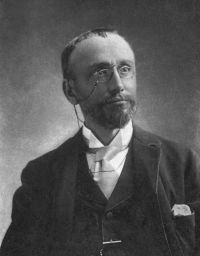
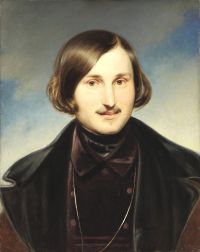
Portrait of Philip Schaff Philip Schaff,  Nicene and Post-Nicene Fathers… (1885)

“ We have now reached the point where, as a result of the conflict, good and evil are blended. We must beware of supposing that Mani meant to ascribe any kind of materiality to the members of the Kingdom of Light. The Kingdom of Light, on the contrary, he regarded as purely spiritual; the Kingdom of Darkness as material. We have now the conditions for the creation of the present order of things, including man. How does Mani picture the process and the results of this mixing of the elements? ”
Source: Wikisource

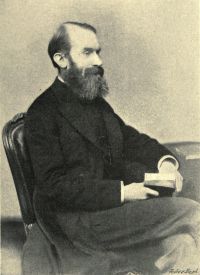
Portrait of Philip Schaff Philip Schaff,  Nicene and Post-Nicene Fathers… (1885)

“ The highly poetical mythological form which Mani gave to his speculations renders it exceedingly difficult to arrive at assured results with reference to fundamental principles. If we attempt to state in a plain matter-of-fact way just what Mani taught we are in constant danger of misrepresenting him. In fact one of the favorite methods employed against Mani’s doctrines by the writer of the "Acts of the Disputation," etc., as well as by Augustin and others, was to reduce Mani’s poetical fancies to plain language and thus to show their absurdity. ”
Source: Wikisource

Grettir the Outlaw: A Story of Iceland

“ It so happened that a great chief called Thorkel Mani was riding along one day, thinking about the gods that he had been taught to believe in, who drank and got drunk, and fought each other, and, being a grave, meditative man, he could not make out what these rollicking, fighting gods could have had to do with the world,—with the creation of sun, moon, and stars, and the earth with its yield. He thought to himself, "There must be some God above these tipsy, quarrelsome deities; and this higher God must love men, and be good and kind to men." ”
Source: Gutenberg

Get perspective with Kwize: daily news enlightened by great literature