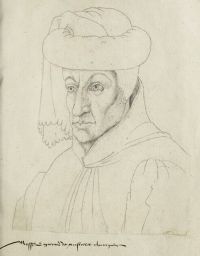
Henry IV of Castile

Definition and stakes

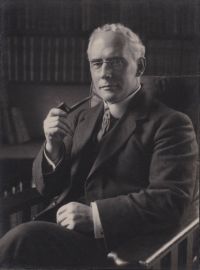
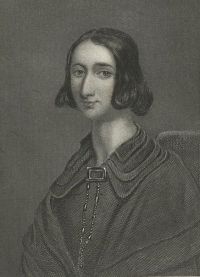
Portrait of Henry Charles Lea Henry Charles Lea A History of the Inquisition of Spain…

Such was the condition of Castile when the death of the miserable Henry IV, December 12, 1474, cast the responsibility of royalty on his sister Isabella and her husband, Ferdinand of Aragon. The power of the crown was eclipsed; the land was ravaged with interminable war between nobles who were practically independent; the sentiment of loyalty and patriotism seemed extinct: deceit and treachery, false oaths—whatever would serve cupidity and ambition—were universal; justice was bought and sold; private vengeance was exercised without restraint; there was no security for life and property.
Source: Gutenberg

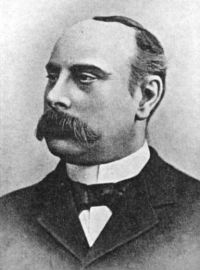
The historians' history of the world in twenty-five volumes…

King Henry III died at the age of twenty-seven, leaving a child one year old as heir to the throne. Great was the mourning in Castile for the high-souled prince who had combined vigour with gentleness, maintained peace and justice, and never violated the constitution or the existing framework of law by the abuse of the principle he himself had laid down—that the welfare of the nation is the supreme law against which no usurper or chartered rights could appeal.
Source: Gutenberg

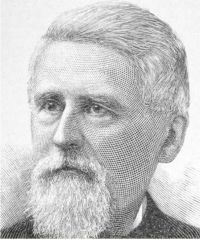
The World's Greatest Books — Volume 12…

Henry, good-natured, incompetent, and debauched, yielded himself to favourites, hence he was more than once almost rejected from his throne. Old King John II. of Aragon was similarly engaged in a long civil war, mainly owing to his tyrannous treatment of his eldest son, Carlos.
But by 1468 Isabella and Ferdinand were respectively recognised as the heirs of Castile and Aragon. In spite of her brother, Isabella made contract of marriage with the heir of Aragon, the instrument securing her own sovereign rights in Castile, though Henry thereupon nominated another successor in her place.
Source: Gutenberg

Get perspective with Kwize: daily news enlightened by great literature