Henry VI of England

Definition and stakes

Great Men and Famous Women. Vol…

The English king, Henry V., had died in the midst of his triumphs. Two months later, imbecile Charles VI., of France, passed away also, and Henry VI., of England, was proclaimed king of both nations; while at the same time the dauphin was hailed King of France by his few followers. But his fortunes were at the lowest ebb, his small army, stationed at Orleans, was in need of food. Four thousand of his men went out to search for provisions, and encountered half that number of English soldiers. A battle ensued, and five hundred of the bravest French soldiers were left dead on the field of strife.
Source: Gutenberg

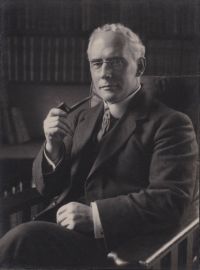
Portrait of Charles Oman Charles Oman A History of England

In mediaeval England there was but one way of getting rid of political grievances which the king refused to redress—the old method of armed force, the means which we have seen used in the cases of Gaveston, the Despensers, and the favourites of Richard II. Henry VI. was not idle and vicious like Edward the Second, nor did he yearn for autocratic power like the second Richard. He was merely a simple, feeble, well-intentioned young man, who always required some prop to lean upon, who chose his servants unwisely, and adhered to them obstinately.
Source: Gutenberg

Portrait of A. F. Pollard A. F. Pollard Henry VIII

But Queen Jane's death was not to be compared in importance with the birth of Edward VI. The legitimate male heir, the object of so many desires and the cause of so many tragedies, had come at last to fill to the brim the cup of Henry's triumph. The greatest storm and stress of his reign was passed. There were crises to come, which might have been deemed serious in a less troubled reign, and they still needed all Henry's wary cunning to meet; Francis and Charles were even now preparing to end a struggle from which only Henry drew profit; and Paul was hoping to join them in war upon England.
Source: Gutenberg

Get perspective with Kwize: daily news enlightened by great literature