Hortense de Beauharnais

Definition and stakes

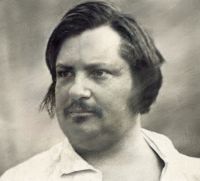
L. Mühlbach,  Queen Hortense: A Life Picture of the Napoleonic Era

“ Hortense was the daughter of the Viscount de Beauharnais, who, against the wishes of his relatives, married the beautiful Josephine Tascher de la Pagerie, a young Creole lady of Martinique. This alliance, which love alone had brought about, seemed destined, nevertheless, to no happy issue. While both were young, and both inexperienced, passionate, and jealous, both lacked the strength and energy requisite to restrain the wild impulses of their fiery temperaments within the cool and tranquil bounds of quiet married life. ”
Source: Gutenberg

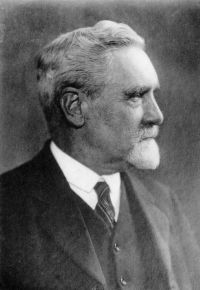
Portrait of John S. C. Abbott John S. C. Abbott,  Hortense

“ On the evening of the 24th of July M. de Beauharnais received the announcement in his cell, that with the dawn of the next morning he was to be led to the guillotine. Under these circumstances he wrote the following farewell letter to his wife:
Letter from Beauharnais.
"I have yet a few minutes to devote to affection, tears, and regret, and then I must wholly give myself up to the glory of my fate and to thoughts of immortality. When you receive this letter, my dear Josephine, your husband [Pg 43] will have ceased to live, and will be tasting true existence in the bosom of his Creator.
”
Source: Gutenberg

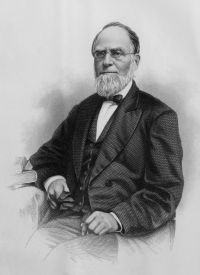
Portrait of John S. C. Abbott John S. C. Abbott,  Hortense

“ Consequently, upon her return to France, Hortense was six years of age. Soon after her arrival the Reign of Terror commenced. The guillotine was erected, and its knife was busy beheading those who were suspected of not being in full sympathy with the reformers whom revolution had brought into [Pg 29] power. Though Viscount Beauharnais had earnestly espoused the popular cause; though he had been president of the National Assembly, and afterwards general of the Army of the Rhine, still he was of noble birth, and his older brother was an aristocrat, and an emigrant. ”
Source: Gutenberg

Get perspective with Kwize: daily news enlightened by great literature