The House of Commons, the lower chamber of the UK Parliament, is an elected assembly of 650 MPs who represent constituencies and hold decisive authority over governance and lawmaking. Historically emerging from medieval councils, it became central to British politics following the 1707 union with Scotland and the 1801 union with Ireland, establishing its position as the main legislative body under the Parliament Acts of 1911 and 1949.
Thinkers such as Walter Bagehot highlighted its dynamic ability to make choices, while Edmund Burke recognized its influence but balanced it against larger national institutions. Benjamin Disraeli emphasized its preeminence, contrasting it with the House of Lords, and H.G. Wells criticized its insular character. These viewpoints together illustrate the Commons as both a foundation of democratic responsibility and a battleground for political influence, showcasing its dual function as a representative institution and a protector of constitutional rule.
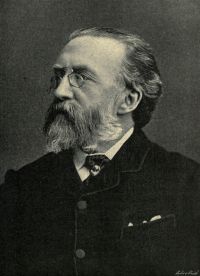
 Walter Bagehot,
The English Constitution
(1894)
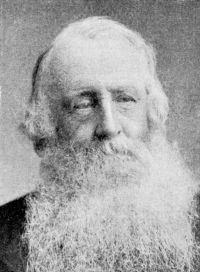
Walter Bagehot,
The English Constitution
(1894)