Iermola

Definition and stakes

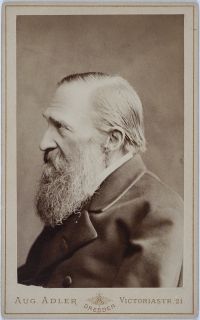
Portrait of Józef Ignacy Kraszewski Józef Ignacy Kraszewski,  Iermola

“ Thus it happened to Iermola, whom the mere presence of this unknown child had regenerated and revived, and who, to the great astonishment of the widow, the people of the village, and all who had formerly known him, not only acquitted himself without difficulty of the care necessary to be bestowed upon his nursling, but became quite another man. He always had been considered one of the most good-for-nothing and insignificant beings in the world, silent, humble, timid, and ignorant. ”
Source: Gutenberg

Portrait of Józef Ignacy Kraszewski Józef Ignacy Kraszewski,  Iermola

“ The peasants, whose children, early accustomed to rough work, grow slowly and seem with difficulty to get away from the earth, looked upon Iermola's adopted son with astonishment, and shook their heads, saying that he must owe all his strength, elegance, and beauty to the vigorous blood and strong constitution which he inherited by birth. None of his little companions in the village could be compared to him; and it was certain that none of them had such a father as his, or had been, like him, surrounded from the cradle by constant care and tender love. ”
Source: Gutenberg

Portrait of Józef Ignacy Kraszewski Józef Ignacy Kraszewski,  Iermola

“ No one ever saw him spare himself; he was always ready to help others, though he could do but little for himself. Every one knew him in the village; and strangers, as well as old friends, knew to whom to apply when they needed help or sympathy,--for poor old Iermola had nothing else to give. To watch and care for a sick person, to harvest a widow's field of barley, to take care of a houseful of children when the mother of the family was away, to collect herbs and recipes for curing wounds and diseases, were the things that Iermola knew how to do best, and that he did with most pleasure. ”
Source: Gutenberg

Get perspective with Kwize: daily news enlightened by great literature