Indian Rebellion of 1857

Definition and stakes

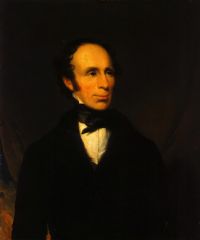
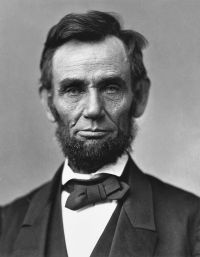
Portrait of Francis Amasa Walker Francis Amasa Walker,  The Indian Question

“ No one will be astonished that a war ensued which cost the government thirty million dollars, and carried conflagration and death to the border settlements. During the spring and summer of 1865, no less than eight thousand troops were withdrawn from the effective force engaged in suppressing the Rebellion, to meet this Indian war. The result of the year's campaign satisfied all reasonable men that war with Indians was useless and expensive. ”
Source: Gutenberg

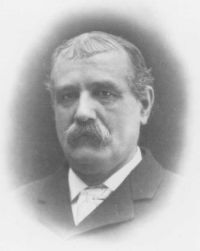
Charles Robert Leslie Fletcher,  A School History of England (1911)

“ The Indian Mutiny, 1857.In 1857 our carelessness and mismanagement of this vast Empire, together with the religious fear inspired among the Indians by the introduction of European inventions such as steam and railways, brought about the most serious danger that ever threatened British India, a mutiny in our Indian army. The instigator of the revolt was a man who claimed to be the representative of the old Mahratta rulers; the rebels took Delhi, the oldest capital city of India, and set up a shadow of an Emperor. They perpetrated terrible cruelties upon defenceless English women and children. ”
Source: Wikisource

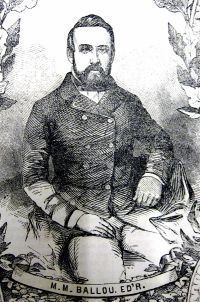
Portrait of Maturin M. Ballou Maturin M. Ballou,  Due West; Or, Round the World in Ten Months

“ Without actual figures to depend upon, we should say that the English troops in India to-day must aggregate between forty and fifty thousand of all arms. When we realize the awful cruelty and blood-thirstiness of the natives in the rebellion of 1857, their diabolical and deliberate murder of innocent women and children, under the most revolting circumstances, we cannot look upon them as a people striking for liberty, or worthy of it, but as a base, degraded, ignorant, and fanatical race, utterly unfit for self-government. ”
Source: Gutenberg

Get perspective with Kwize: daily news enlightened by great literature