Indian fighter

Definition and stakes

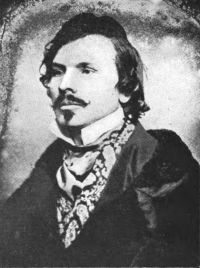
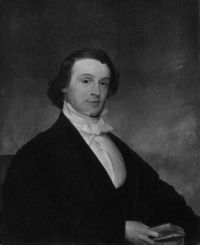
Portrait of George E. Ellis George E. Ellis,  The Red Man and the White Man in North America (1882)

“ Enough more will needs be said or recognized in pages yet to follow, in the various divisions of our subject, to keep in our minds these repulsive qualities of the Indian as a fighter. In general it is to be said, that, apart from those qualities as a torturer and a cannibal, — which are simply inherent in full barbarism, — the savage Indian, like the civilized white man, uses against an enemy, in warfare, all the arts and implements — the guile, the ambush, the stratagem, the surprise, the deceit, the weapons, and the flames — which he can put to his service. ”
Source: Wikisource

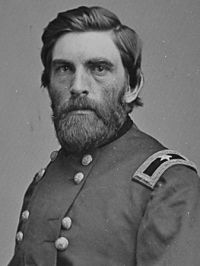
Portrait of Theodore Roosevelt Theodore Roosevelt,  The Winning of the West, Volume 3

“ They attributed each in turn to the effects of ambuscade or surprise, instead of realizing that in each the prime factor was the formidable fighting power of the individual Indian warrior, when in the thick forest which was to him a home, and when acting under that species of wilderness discipline which was so effective for a single crisis in his peculiar warfare. The Indian has rarely shown any marked excellence as a fighter in mass in the open ”
Source: Gutenberg

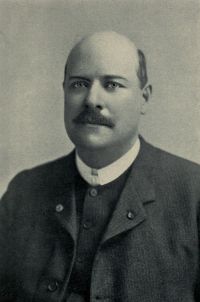
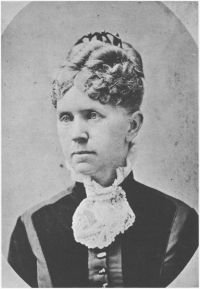
Portrait of Mayne Reid Mayne Reid,  Osceola the Seminole; or, The Red Fawn of the Flower Land

“ A peculiar cry—which some of the old “Indian fighters” understood—heard at intervals, betokened the arrival of fresh parties of the foe. We felt the apprehension that we were being outnumbered, and might soon be overpowered. A gloomy feeling was fast spreading itself through the ranks.
During the skirmishes that had already occurred, we noticed that many of the Indians were armed with fusils and muskets. A few were observed in uniform, with military accoutrements! One—a conspicuous leader—was still more singularly attired.
”
Source: Gutenberg

Get perspective with Kwize: daily news enlightened by great literature