Iron Man, the 2008 superhero film directed by Jon Favreau, marks the debut of the Marvel Cinematic Universe (MCU) and redefines the character of Tony Stark, a genius industrialist turned armored hero. The film explores themes of technological mastery, moral responsibility, and identity, as Stark transforms from a self-centered inventor to a figure embracing his role as a protector. Authors like Friedrich Engels and James J. Davis have historically examined the symbolic and practical power of iron, framing it as both a tool of progress and a force of upheaval—a duality mirrored in Stark’s journey.
While Engels hailed iron as a catalyst for industrial revolution, Davis celebrated ironworkers as pioneers shaping civilization, paralleling the film’s portrayal of Stark’s armor as a fusion of human ingenuity and mechanical strength. These perspectives collectively underscore Iron Man’s legacy as a narrative bridge between historical industrial symbolism and modern superhero ethos, where innovation is both a burden and a beacon.
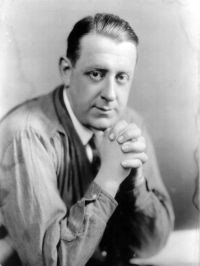 Hendrik Willem Van Loon,
The Story of Mankind
(1921)