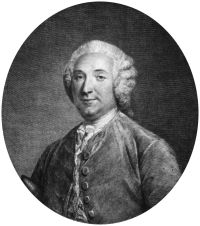
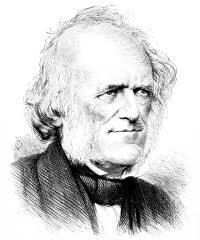
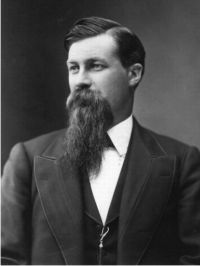
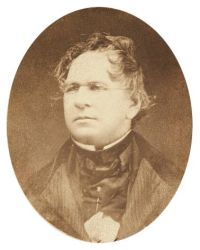
Ore, defined as a naturally occurring substance containing valuable metals that can be extracted through mining and metallurgical processes, has long been a central topic in discussions of geology, industry, and alchemy. Authors such as William L. Ilgen highlight its economic significance, pointing out that ore must contain enough metal to make extraction worthwhile, while Lorenz Oken examines its geological origins, contrasting "dark valleys," where ore is found, with "bright valleys," where it becomes part of the earth.
John Milton portrays ore’s alchemical potential, envisioning its transformation into gold, and Pierre Macquer describes its practical refinement in furnaces. These viewpoints, ranging from science to art and philosophy, together emphasize ore’s dual nature—as both a fundamental material for human industry and a symbol of nature’s hidden capacity for change.
 Joseph Pennell,
Joseph Pennell's Pictures of the Wonder of Work
Joseph Pennell,
Joseph Pennell's Pictures of the Wonder of Work