Japanese fleet

Definition and stakes

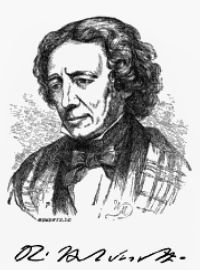
Portrait of Fred T. Jane Fred T. Jane,  The imperial Japanese navy

“ Such are Japanese naval officers. To sum up, they have little ambition, little thirst for personal glory, but a good deal of thirst for the thunder of battle. The only religion that they wot of is the worship of their fleet; their only heaven, that fleet in action. They cannot originate, but they are peerless at practising the things that they have learnt. And there is only one possible way of beating a Japanese fleet—by sinking it.
In many of these things the trail of Samaurai may be visible. The Samaurai were trained to kill and to be killed
”
Source: Gutenberg

Edward Shippen,  Naval battles of the world (1905)

“ The discipline and regulations of the Japanese fleet are modelled upon those of Europe and America much more closely than that of China, and the ships are [I-485] manned by efficient and well-trained crews, who have excellent and well-instructed officers. So many of the population are engaged in maritime pursuits—either in the fishery or in coasting and carrying on the active communication between the islands composing the empire—that there is a large reserve of hardy, seasoned men to draw upon for service in the navy. ”
Source: Gutenberg

Evgenii Sigizmundovich Politovskii,  From Libau to Tsushima

“ The Japanese doubtless know our ships better than we do ourselves. Do [206] you remember what I said before the departure of the fleet? From the very beginning of the voyage I have seen so many instances confirming my former opinions. I do not believe in the fleet, however many ships are in it, and however much they count on them. It is a small matter to possess warships. It is necessary to profit by their strength. Possibly the Japanese fleet might be beaten, but it would only be by chance. ”
Source: Gutenberg

Get perspective with Kwize: daily news enlightened by great literature